
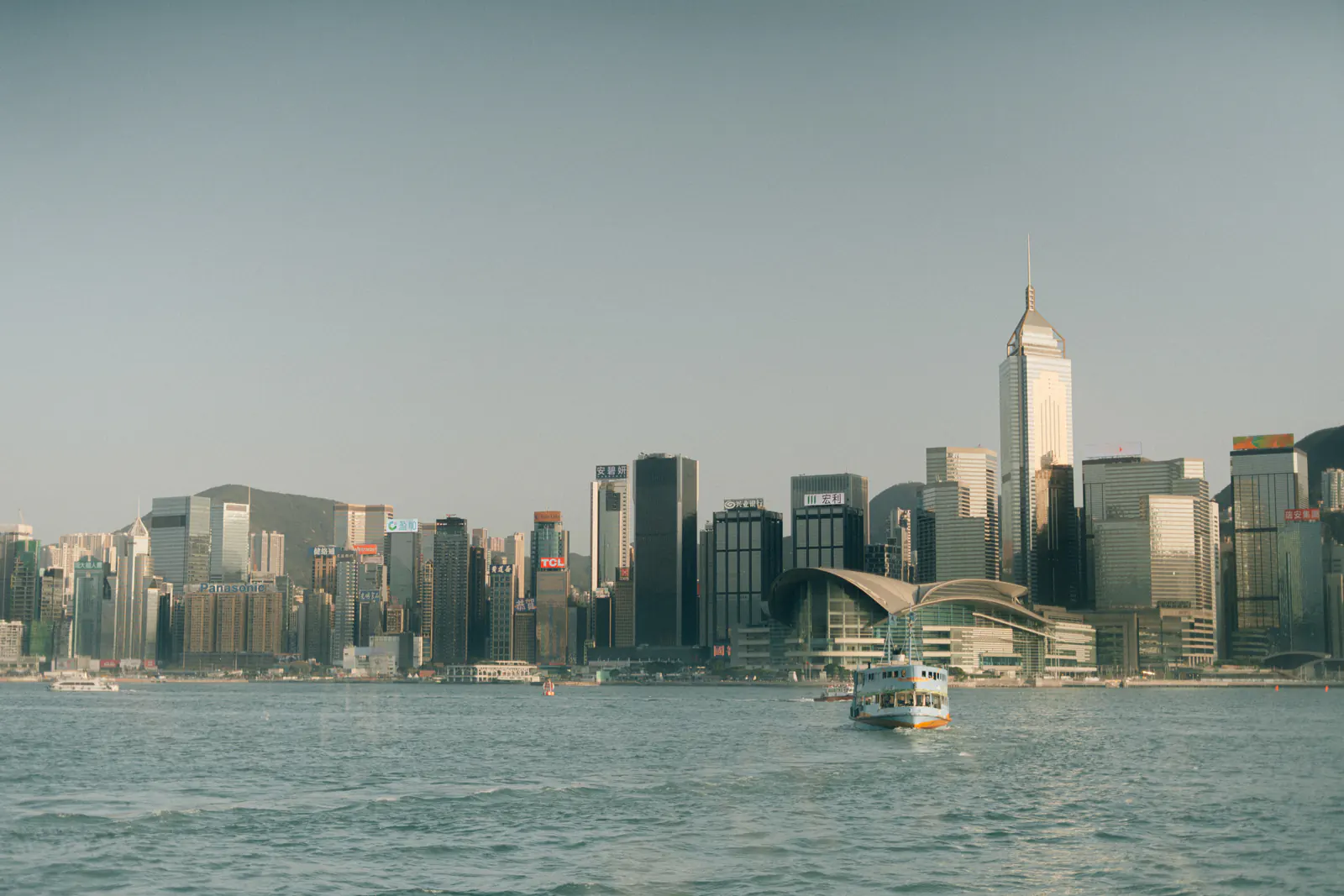
Hong Kong is often seen as a fast-paced, crowded city that deserves just a couple of days. But in reality, it’s made up of a collection of islands (and a mainland area), packed with different landscapes, neighbourhoods and things to do.
In this guide, I’ll help you make the most of your time so you can leave Hong Kong with a better understanding of the city, and hopefully fall in love with it along the way! Shall we?
Itinerary Overview
🥁 Pace: Moderate
💸 Budget: Low to mid-range
🚍 Transport: Designed around public transport
🧚🏽 Travel style: A little bit of everything!
Is 4 days in Hong Kong Enough?
Four days in Hong Kong are enough to see the main highlights and get a feel for the city’s rhythm. However, you’ll still have plenty of places left to explore, and you’ll have to be happy with that!
How many days do you need in Hong Kong at a minimum?
In my opinion, three days is the minimum. However, I’d recommend spending four or five days if you can.
How should you divide your time between Hong Kong, Macau and Shenzhen?
I’d spend four days in Hong Kong, take a day trip to Macau and allow three days for Shenzhen.
Hong Kong 4-day Itinerary
🧚🏽 You can use the map below to explore the different coloured areas. Each colour represents the areas we’ll visit on a particular day, with the main attractions marked along the way.
How to divide your days in Hong Kong
Day 1: Classic Hong Kong: skyscrapers, temples and markets
Day 2: Lantau Island: the Big Buddha and a traditional fishing village
Day 3: Temples, viewpoints, hiking trails, picturesque streets and markets
Day 4: Shopping, massive residential buildings and the beach
Day 1: The Hong Kong you surely excited about!
On your first day, we’ll cover all the classic sights in central Hong Kong; the famous skyline, the harbour, shopping districts and financial centre.
Depending on where you’re staying, you might want to start on one side or the other, but it doesn’t really matter.
💁🏽♀️Haven’t booked your accommodation in Hong Kong yet? Have a look at my accommodation guide.
Lan Fong Yuen: A very Hong Kong-style breakfast!
This is one of Hong Kong’s most iconic spots for the traditional Hong Kong-style milk tea and butter toast. The original shop in Central is tiny and almost always has a queue. There’s also a larger branch in Tsim Sha Tsui.
You can grab yours to take away from the TST branch, located right inside Chungking Mansions. These are some of Hong Kong’s most famous buildings: massive, maze-like complexes with a character of their own.
Kowloon Park: A green corner in the middle of the city


Just a 10-minute walk from Lan Fong Yuen and Chungking Mansions, this park is one of my favourite little escapes in the city.
I love its local atmosphere, with older residents playing chess and practising Tai Chi. There’s also a rather unusual comic-themed promenade called the Hong Kong Avenue of Comic Stars. It’s a lovely place to wander around, especially in the morning.
Hong Kong Museum of History
This free museum allows you to explore Hong Kong’s history, from prehistoric times to the present day (6,000 years of history). It’s just a 15-minute walk from Kowloon Park and is closed on Tuesdays.
I actually never managed to visit it myself, but I’ve heard plenty of good things about it. And it’s free! So, if you have enough time, I’d definitely add it to the itinerary.
💁🏽♀️ Worth knowing that
Another great way to learn more about Hong Kong’s history and culture is by joining a free walking tour. This company has loads of five-star Google reviews!
Avenue of Stars and Victoria Harbour: Hong Kong’s iconic skyline
The Tsim Sha Tsui Promenade is one of the best-known waterfront spots in Hong Kong, offering beautiful views across Victoria Harbour towards Hong Kong Island. It’s a popular place and can get quite busy, but there are several viewpoints and benches along the walk.
I enjoyed walking along the promenade, especially around the ferry pier. It’s also a lovely place for a morning run. However, there’s that annoying background music playing through the speakers! It drove me mad!!!
Just nearby, you can also spot The Peninsula Hong Kong, one of the city’s most luxurious and iconic hotels.
Opened in 1928, it became a meeting point for Hong Kong’s high society during the British colonial period. Its lobby, originally designed as a tea room, still preserves that tradition and is now famous for its classic afternoon tea. Not exactly an option for every budget!


Star Ferry: Crossing over to Hong Kong Island
One experience I’d 100% recommend, and one that’s surprisingly affordable, is crossing Victoria Harbour on the Star Ferry! I’m not sure if I was already completely in love with Hong Kong by that point, but the whole experience felt like a scene from a film in slow motion.
It’s particularly lovely around sunset. And if you’re staying in Tsim Sha Tsui and heading to Central for dinner, for example, it’s a great way to combine sightseeing with getting around.
Fares vary depending on whether you sit on the upper or lower deck and the day of the week. Expect to pay around 5 HKD on average, slightly less than 1 EUR.
💡 Listen uppp!
You can buy a four-day pass at the Pier Control Centre (near Mummy Pancake). It costs 50 HKD, approximately 5.70 EUR. You can check the latest information here.
I wrote a guide specifically about public transportation in Hong Kong, you can read it here.
Lunch on Hong Kong Island
You can eat pretty much anything in Hong Kong, from Michelin-starred restaurants to little street food stalls. You’ll find Indian, Italian, French and almost every other cuisine you can think of.
However, if you’re visiting Hong Kong, I think you should definitely try Cantonese food, which is typical of this region.
For local options, I’d recommend One Dim Sum, which has a conveniently located branch in Central and is usually quite busy. Tim Ho Wan is another great option for trying dim sum, with a branch inside Hong Kong Station.
💁🏽♀️ Worth knowing
You can also join a food tour to discover some of the city’s different flavours and local dishes. Check prices and availability here.
Man Mo Temple
This traditional temple is famous for its enormous incense coils hanging from the ceiling. Like many traditional Chinese temples, it brings together Taoist, Buddhist and Confucian traditions. Walking inside is quite an experience. From the outside it looks relatively simple, but once you’re in, you’ll find intricate details everywhere, a very strong incense smell and plenty of smoke.
Central: SoHo and the Mid-Levels, Hong Kong’s trendier side
This area combines some of Hong Kong’s most recognisable skyscrapers with art galleries, cafés, modern restaurants and character-filled alleyways.
While exploring its streets, you can visit Graham Street, home to one of the city’s oldest street markets, and take the Central–Mid-Levels Escalators, which run through SoHo and connect Central with the higher parts of the neighbourhood.
If you have time, you can also pop over to Cat Street, in neighbouring Sheung Wan. It’s known for its antique shops and quirky finds (it’s actually closer to Man Mo Temple)
The Peak Tram and the incredible views from Victoria Peak
Victoria Peak is one of Hong Kong’s most famous viewpoints, and one of the most popular ways to get there is by taking the Peak Tram. You can book your tickets here. It’s so popular that queues can get quite long, especially around sunset.
But Hong Kong has plenty of other mountains and viewpoints, so you don’t have to limit yourself to Victoria Peak. In fact, I didn’t visit it myself, and I regret it!
That’s why I’ve included it in this itinerary, ideally around sunset.
💡 What would I do?
To avoid wasting time queuing for the Peak Tram, I’d take double-decker bus number 15, which goes all the way up to Victoria Peak.
And if you still have some energy left, I’d walk the Peak Circle Walk, a circular trail of around 3.5 km with panoramic views of Hong Kong and Victoria Harbour.
After a day like this, all you need is a little snack from 7-Eleven, a good night’s sleep and some rest!!!!
Day 2: Lantau Island, the Big Buddha and the little fishing village of Tai O
Lantau is an incredibly diverse island. Hong Kong International Airport is located nearby, and the island itself is home to Disneyland, the Big Buddha and plenty of hiking trails through different landscapes, from mountains to coastline.
And then there’s Tai O, which in my opinion, is a particularly special place to visit. It feels like a village lost in time, especially when you compare it with the pace and constant development of Hong Kong.
Getting to Lantau from Hong Kong Island or Tsim Sha Tsui can take quite a while. That’s why I think it’s essential to dedicate a full day to exploring the island without rushing or worrying about having to get back for something else.
How to get to the Big Buddha from Hong Kong
Take the orange MTR line from Hong Kong Station (connected to Central) or Kowloon Station to Tung Chung Station. From there, take bus number 23 to Ngong Ping. The journey takes around 50 minutes and follows winding rural roads through Lantau. The views along the way are beautiful!
Both the MTR and the bus can be paid for using an Octopus Card. Budget around 50 HKD each way from Central or Kowloon, depending on where you start and the day of the week (slightly less than 6 EUR).
You can also reach Ngong Ping by cable car. In fact, Ngong Ping 360 is one of Hong Kong’s best-known tourist attractions. The ride takes around 25 minutes, and you can choose between a standard cabin or a Crystal Cabin with a glass floor, so you can enjoy the views beneath your feet as well. A little scary!
💡 What would I do?
I’d take the cable car on the way to Ngong Ping and then use ground transport to reach the next destination. That way, you get to experience both options!

Visiting the Big Buddha in Hong Kong
The Buddha itself is genuinely enormous and impressive, but I was a little disappointed by the surroundings.
As soon as you get off the bus, you find yourself in Ngong Ping Village, an area that’s entirely geared towards tourism, with souvenir stalls, historical recreations, shops and photo opportunities all the way to the Buddha. I was expecting a more peaceful place surrounded by nature, but that wasn’t quite the case.
The Tian Tan Buddha, commonly known as the Big Buddha, stands 34 metres tall, including its base, and is one of the largest outdoor seated Buddha statues in the world (I can’t keep up with all these records!).
To reach the viewing platform, you’ll need to climb 268 steps. I didn’t count them myself, but I’ll trust the internet on this one.
Visiting the statue and its outdoor platform is free, although there’s a separate entrance fee for the exhibitions inside its base.
Right next to it, you’ll find Po Lin Monastery, one of Hong Kong’s most important Buddhist centres. It’s worth stopping by to admire its architecture and explore the different buildings.
Tai O, My favourite Place in Hong Kong
Bus number 21 runs from Ngong Ping to Tai O in around 20 minutes. If you’d rather travel directly from Tung Chung, you can take bus number 11.
The bus stop is right at the entrance to the village. Once you wander into its narrow little streets, with shops spilling out onto the pavement and the smell of dried fish everywhere, you’ll feel as if you’ve travelled back in time.
There’s not a huge amount to do here, other than getting lost in the little streets, stopping for a coffee and observing a way of life that’s historically been connected to fishing and the water.
During my second visit, we ventured further into the surrounding mountains, hoping to find a viewpoint or, if we were lucky, reach Man Cheung Po’s Infinity Pool, a natural pool with waterfalls. Unfortunately, the weather wasn’t on our side, and we had to head back before it got too late.
There are several hiking trails and natural spots to explore around the village, so if you enjoy walking, you could easily spend much longer here than just wandering around the centre.
💡 Listen uppp!
If you’re looking for souvenirs from Hong Kong, I found the prices and the variety of products were much better in Tai O than in places like Kowloon, especially once you cross the village bridge.


To get back to Hong Kong from Tai O, take bus number 11 to Tung Chung and then catch the MTR to the station closest to your accommodation.
To learn a little more about public transportation, including how to pay for it and even how to connect to your next destinations; you can read this guide.
Is this guide helping you?
If you’d like to support the blog and help me keep making free guides, you can buy me a coffee!
Day 3: Hong Kong’s temples, gardens and markets
This isn’t your typical Hong Kong itinerary, OK? At Guadi Viajando (which is basically me, Guadi and most of the time, my boyfriend Micha), we try to cover the essential sights in every destination, but we also love discovering those little hidden gems that often go unnoticed when you’re travelling with limited time. And today is all about that.
Ten Thousand Buddhas Monastery
This monastery is home to more than 12,000 Buddha statues. The path leading up to it is one of the most interesting parts of the visit. It’s lined with almost life-sized golden statues, each with a different expression and pose.
Once you reach the top, there’s a temple filled with countless little Buddha statues, it’s pretty much impossible to keep count!
It’s a different experience from visiting the temples in the city centre and, in my opinion, well worth including if you’re interested in discovering another side of Hong Kong. Entrance is free, and I’d allow around an hour and a half for the visit.


How to get to Ten Thousand Buddhas Monastery
Take the light blue MTR line (East Rail Line) to Sha Tin Station. From there, it’s another 10 to15-minute walk to the start of the trail, followed by approximately 400 steps up to the monastery.
Wong Tai Sin Temple, A local experience
Since we’re already in northern Kowloon, I’d recommend stopping at Wong Tai Sin Temple. It’s a huge temple with incredibly detailed architecture and a combination of Taoist, Buddhist and Confucian traditions. It’s also famous for its rituals to pray for good luck and seek guidance about the future.
What I enjoyed most was being able to observe how local people interact with their religion.
When I visited, there were very few tourists and plenty of activity among the worshippers, with rituals and offerings that felt genuinely authentic.
About a 20-minute walk from the temple, you can also visit Nan Lian Garden, a traditional Chinese-style garden.
And if you’d like to explore a little further, you can stop by Choi Hung Estate, famous for its colourful buildings and the basketball court that went viral on social media.
⛰️[Lion Rock: One of the best hikes for views over Hong Kong]
If you enjoy hiking, climbing Lion Rock is one of the best ways to escape the crowds and see Hong Kong from a different perspective. It’s a fairly steep hike that takes around three to four hours, but the views are spectacular.
I’ve included it in this part of the itinerary because the trailhead is relatively close to Wong Tai Sin Temple. However, when I wanted to hike it, the weather wasn’t on my side. There was so much mist and it started raining, so I changed my plans and went café and bakery hopping instead. But if you get a clear day, I’d definitely take advantage of it!
Other hiking options in the area include Kowloon Peak Viewing Point and Suicide Cliff.
Mong Kok, Markets and trendy neighbourhoods
Mong Kok is one of the busiest and liveliest neighbourhoods in Kowloon. This is where you really feel Hong Kong in full swing: neon signs, all kinds of shops, street stalls, markets and so many people that it feels like the crowds never end.
It’s a great area to wander around without too much of a plan, browse the shops and discover another side of the city.
One of its best-known streets is Tung Choi Street, home to the famous Ladies’ Market, an outdoor market with stalls selling clothes, accessories, souvenirs and all sorts of quirky finds.
One tour I’d absolutely love to do, and would try to fit into my itinerary, is this alternative Hong Kong walking tour. It starts near this area at 2 pm. You can book it here.


Temple Street Night Market: Hong Kong after dark
To finish the day, head to this little night market in the Yau Ma Tei neighbourhood. It’s one of Hong Kong’s best-known night markets. From around 7 pm, the street starts filling up with stalls, lights and people.
You’ll find everything from souvenirs, clothes and accessories to street food stalls where you can try some local dishes.
The market is also known for its fortune tellers, who offer palm readings and predictions about the future, as well as occasional Cantonese opera and music performances among the stalls. It’s suuuuper photogenic!
💁🏽♀️ What would I do?
If you still have some energy left, Hong Kong is home to one of the world’s highest bars.
It’s located on the 118th floor of The Ritz-Carlton hotel. There’s a minimum spend of 500 HKD for the terrace and 200 HKD for indoor seating (approximately 59 and 22 EUR, respectively). It’s called Ozone Bar, and it’s absolutely gorgeous!!!!
Day 4: Discovering the alternative side of Hong Kong
For our last day in Hong Kong, the idea is to discover another side of the city; residential neighbourhoods, massive buildings that seem to go on forever, lively streets and even a beach to finish the day by the sea.
These are areas that tend to be less popular with first-time visitors, but I think they’re well worth exploring if you’d like to get a slightly better understanding of what everyday life in Hong Kong looks like.
Red Incense Burner Summit: A short hike in Hong Kong
I’m a big fan of this viewpoint because the hike is short, not particularly demanding and offers incredible views across Hong Kong.
The viewpoint is located on Braemar Hill, relatively close to Causeway Bay. You can walk there from the neighbourhood, although the climb is quite steep.
If you’d rather save your energy, you can take a bus or minibus (routes 85 or 108) to St. Joan of Arc Secondary School and start the walk from there.
Once you reach the school, look for the path running alongside the building and follow it towards Sir Cecil’s Ride. From there, you’ll find signs pointing towards the viewpoint. The final section involves scrambling over a few rocks, so take your time and be careful, but it’s nothing too difficult.

Afterwards, make sure you spend some time exploring Causeway Bay, a modern and trendy neighbourhood.
Quarry Bay and the famous Monster Mansion
Quarry Bay is a neighbourhood on Hong Kong Island, known for its enormous residential complexes and the famous Monster Building.
From its inner courtyard, five towering blocks rise above you, creating what looks like a concrete canyon filled with endless little windows and air conditioning units. It’s one of those images that perfectly captures the incredible density of Hong Kong.
As tourism has increased, several cafés have opened around the courtyard. Two that stand out are Ice Bean, which serves coffee chilled to -86°C (something I’d already seen in other Chinese cities), and % Arabica.
Please remember that this is still home to a huge number of residents. Be mindful when taking photographs, respect people’s privacy and remember that drones are strictly prohibited.


Stanley or Shek O: Which beach should you visit in Hong Kong?
To wrap up this itinerary, why not watch the sunset from the beach? Two interesting options are Stanley and Shek O, although they offer quite different experiences.
We visited Stanley, which has a lovely waterfront promenade. It’s an old fishing village that has gradually developed into a coastal neighbourhood, while still retaining some of its original charm. You’ll find little markets, restaurants overlooking the sea and walkside that’s perfect for a stroll. The main beach is lovely, and there are also a few smaller, quieter coves nearby.
On the other hand, Shek O is known for its beautiful scenery, surrounded by mountains. If all you’re after is a relaxing beach afternoon and the weather is good, I’d choose this one.
💁🏽♀️ What would I do?
Honestly, I’ve written this itinerary so you can follow it step by step.
I hope it helps you organise your trip, but more than anything, I hope it inspires you to discover those little corners of Hong Kong that often go unnoticed by travellers who only stick to the main tourist attractions.
Have an extra day in Hong Kong?
If you have more than four days to explore Hong Kong, even better! Here are a few ideas for what to do with your extra time:
⛰️ Explore more hiking trails and routes around Hong Kong.
🤖 Cross the border into Shenzhen and explore mainland China.
Frequently Asked Questions about visiting Hong Kong
How many days do you need to explore Hong Kong?
Four full days in Hong Kong for your first visit. That’s enough time to explore the main neighbourhoods, visit temples and markets, discover Lantau Island and experience some of the less touristy areas of Hong Kong Island.
But if you have five or six days, even better! You’ll have more time to explore the outlying islands, go hiking or add a day trip to Macau or Shenzhen.
What is the best time of year to visit Hong Kong?
October to December is generally one of the most pleasant periods to visit Hong Kong, with milder temperatures, lower humidity and usually sunnier days. However, I first visited in February and had cool, cloudy weather. I returned another time in March and had absolutely beautiful days.
Is Hong Kong easy to explore independently?
Yes! Hong Kong has an excellent public transportation system, and it’s pretty easy to get around on your own. The MTR connects the main neighborhoods and tourist areas, while buses and trams take you to places the subway doesn’t reach. Check out the guide “Getting Around in Hong Kong | Octopus, Public Transportation, and the Airport.”
Is it worth buying the 4-day Octopus Card?
Absolutely! In my opinion, it’s one of the things that makes travelling around Hong Kong so much easier. You can even use a digital version directly through Apple Wallet!
Are you continuing your trip around China?
If Hong Kong is just one stop on a longer trip around China, there’s still so much more to discover! After exploring this fascinating city, you can continue your journey to some of my favourite destinations in the country:
>4 Days in Harbin | Winter Itinerary and Things to Do
>How to Visit the Great Wall of China | Best Sections & Tips
Enjoy Hong Kong, eat plenty of delicious food and I’ll see you in the next travel guide!
Guadi.
