
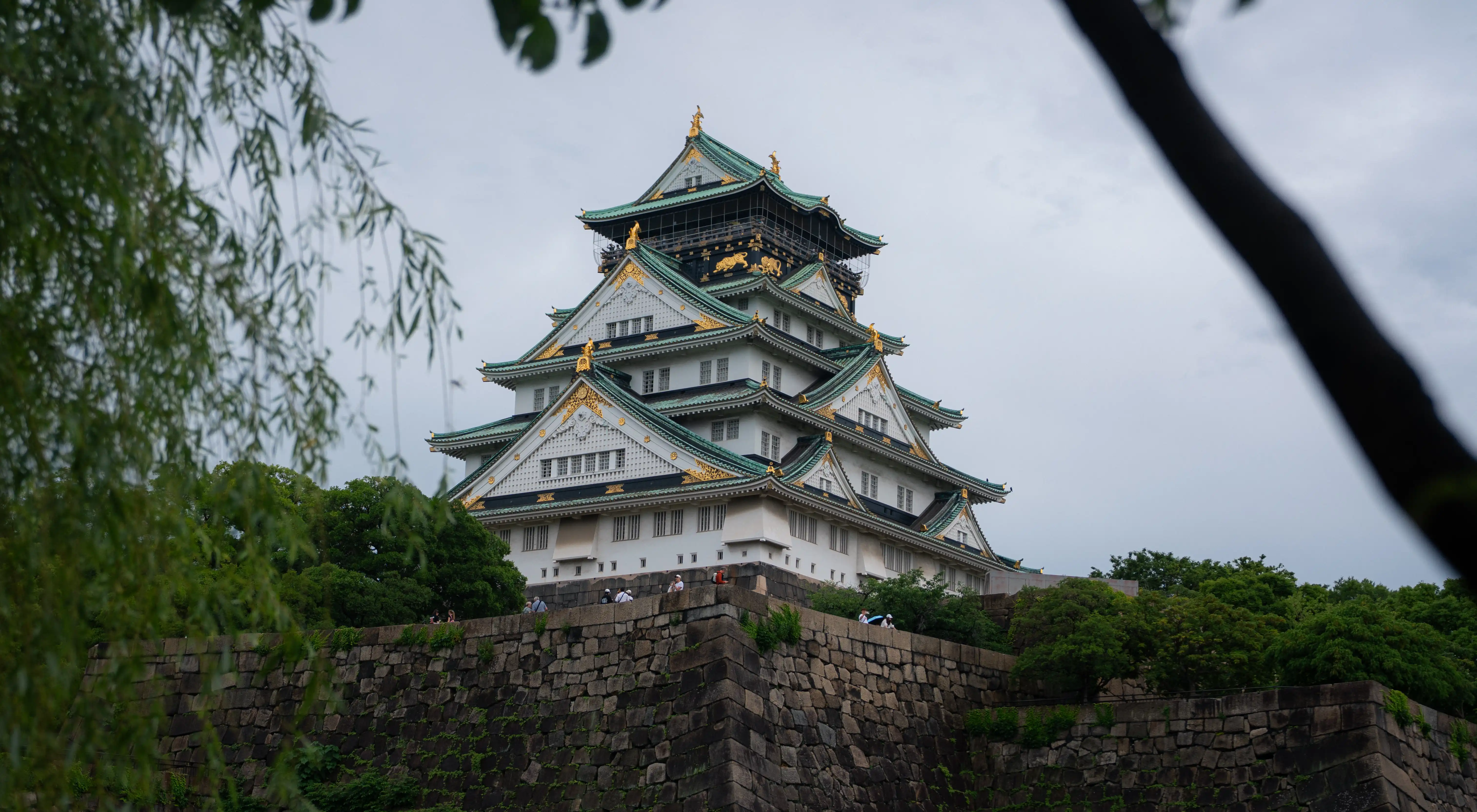
Besides being the kitchen of Japan, Osaka is one of the country’s most vibrant, cosmopolitan, and compelling cities. While many travelers treat it as a quick layover or just a train stop near Kyoto, it genuinely deserves a dedicated spot on your Japan trip.
Designed to help you maximize your time, this 3 day Osaka itinerary covers iconic landmarks while guiding you off the tourist trail to quiet, crowd-free pockets of the city. Shall we?
Short on time? Quick trip planning guide
-
🛏️ Where to stay: I stayed at Henn na, which is central, budget-friendly, and features robot dinosaurs at check-in (check out the hotel here).
- 📌 Must-sees: Dotonbori and Katsuo-ji Temple.
- ☕ Café Fav: Wad and Saturdays NYC.
- 📶 e-SIM: Airalo (use code GUADAL1787 for a discount).
If this is your first trip to Japan, start with my guide on 15 things to do BEFORE traveling. It covers essential tips, practical advice, and handy hacks that saved me plenty of money and hassle.
If you are trying to figure out where to stay in Osaka, I have a full accommodation breakdown to help you choose. As a general rule, staying near a major metro line will keep you well-connected.
3-DAY OSAKA ITINERARY OVERVIEW
💡 To navigate the layout easily, remember that Kita means North and Minami means South in Japanese. These are the two primary hubs for shopping, dining, and culture. While many travel guides throw these terms around, they simply refer to the top and bottom sections of the central map.
Osaka | Day 1: Namba and Amerikamura
Assuming you are staying near Namba for your first visit, you can cover almost everything today on foot. This central area is packed with things to explore.
Namba Yasaka Shrine (The Lion Head Temple)
Designed to swallow evil spirits and bring good fortune, this iconic lion-head temple is one of the most photographed spots in Osaka. It is fairly compact and sits right next to cozy cafes and shopping streets.
Tour groups often visit this spot, so arriving early in the morning lets you experience it with far fewer crowds.
☕️ Aun Coffee Roasters, is right around the corner, opens at 9 AM, and serves fantastic coffee.


Sennichimae Doguyasuji (Cookware Street)
This covered arcade is dedicated entirely to kitchenware, making it the perfect spot for authentic Japanese souvenirs. You will find matcha bowls, handcrafted chopsticks, unique rest holders (hashioki), and virtually every utensil imaginable for your home.
While some items are mass-produced, several shops sell regional ceramic pieces at vastly better prices than generic tourist gift shops. It is a fascinating place to wander through.
Kuromon Market (The Kitchen of Osaka)
If Osaka is the food capital of Japan, Kuromon Market is its beating heart. Planning your visit around lunchtime allows you to sample fresh bites as you walk through.
Spanning six covered blocks of stalls and small eateries, this market dates back to the Edo period.
If you eat seafood, this is absolute heaven, though vegetarian options can be quite limited here.
Amerikamura ((Osaka’s Alternative Neighborhood)
With a relaxed retro vibe, Amerikamura is filled with vibrant street art, colorful murals, and vintage shops. Developed as a hub for imported fashion and Western counterculture, walking through feels a bit like stepping into 1970s America.
Thrifting in Osaka is super trendy and highly recommended, but not in this specific area; most of the shops are typical vintage places with pretty inflated prices. Even so, it is totally worth taking a stroll around to browse, walk, and take photos.
Hozenji Yokocho (The Hidden Alleyway Temple)
Around sunset, right in the middle of the Dotonbori chaos, you will find narrow stone alleys that lead to this tiny temple surrounded by the noise. It is very beautiful and photogenic, but it does not demand much of your time.
💁🏽♀️ You can also join a local Free Walking Tour that covers this area along with surrounding historical spots.
Dotonbori (the soul and tourist spot in Namba)


I used to think Dotonbori was just the pedestrian path along the canal where the famous Glico Man sign and the massive Don Quijote store with its Ferris wheel are located. But it goes way beyond that.
The parallel alleys are filled with huge, exaggerated 3D signs that are super fun to photograph. It is the go-to area to head out for dinner and immerse yourself in that unique night vibe Osaka has.
Keep in mind it is an ultra touristy area. You will see heaps of «viral» restaurants with lines that take hours and rarely prove worth the wait. Don’t stick only to what shows up on social media: walk through the less crowded passages, search, explore, and enjoy.
Osaka | Day 2: Osaka Castle and Umeda
Today we take the metro (if public transport still feels a bit intimidating, I recommend reading the 15 things you need to do before going to Japan) to the North of the city.
Osaka Castle (its moats and lovely gardens)
The building is quite imposing and is surrounded by massive water moats and spectacular parks that are totally worth walking around. The person who ordered its construction was Toyotomi Hideyoshi, one of Japan’s great unifiers, buuuut the structure you see today was rebuilt in the 20th century (so it isn’t as old on the inside as it looks).
You can step inside (it operates as a museum) from 9:00 am to 5:30 pm for about 7 EUR, or you can also book your entry ticket with a tour and guide here.


Oh, I also saw the experience of making your own ramen in a cooking house style and thought it sounded ideal. It is close to the castle area, leaving it here for you in case you are interested.
Nakazakicho and Tenma (coffee, sake, and local life)
Ten minutes walking North from the castle, you will find Tenma, a very local neighborhood with plenty of dining options and coffee shops. There is a place called Robata Sukehira that isn’t viral, but comes highly recommended for food; however, I visited in the afternoon and loved trying the sesame latte at IRUAERU.
Also in Tenma you will find the longest covered shopping arcade in Japan (Tenjinbashisuji), but that is further north and it might be better to catch a metro. In that area there are also heaps of small spots to try different types of Sake.
Now heading toward Umeda, you will pass through Nakazakicho, a residential neighborhood that survived the war bombings and preserves its old wooden houses (machiya). Today it has transformed into a circuit of art galleries, design workshops, and independent cafes.
Umeda y Umeda Sky (financial district and observatory)
Umeda is the financial district of Osaka where you can see a million skyscrapers, non-stop movement, shopping, and all kinds of activities. The most iconic thing to do in this area is going up the Umeda Sky Building, which is one of the tallest buildings in Osaka with an observatory on the 40th floor (Kuchu Teien Observatory). It is also an architectural gem and houses a museum about its construction inside.
Tickets cost 10 to 13 EUR depending on the package you purchase, and my preferred place to buy it is trip.com because it makes checking available options super easy.
If you want to skip the main observation deck fee, head to the 39th floor of the Umeda Sky Building. It features cafes, restaurants, and a mini art display offering broad views of the Osaka skyline without paying for an entry ticket. Alternatively, the cafe inside the neighboring Yodoyabashi building also offers fantastic skyline views.
🧚 Located nearby in the Umeda area, TeamLab Botanical Garden offers a much quieter, outdoor digital art experience compared to the busier TeamLab locations in Tokyo. While I didn’t visit personally, it is widely considered a top-notch Japanese experience.
Osaka | Day 3: From Katsuo-ji Temple to the Osaka Tower (my favorite day)
Okay, for day 3, make sure your camera battery is completely full and pick a great outfit because these spots are incredible!
Katsuo-ji Temple (the temple of daruma dolls)
As soon as you started researching Japan, you probably saw photos of this temple popped up somewhere. It is gorgeous and super photogenic. There are plenty of websites trying to sell you a tour to get there, but you really don’t need to hire anything. Instead, check out this other article I wrote about Katsuo-ji to learn how to get there, how to visit it, and more.
The entry fee is 500 JPY, about 3 EUR, and you pay directly at the entrance.


Cup Noodles Museum in Ikeda (not essential, but super fun!)
I ran out of time to do this, and it is honestly one of my biggest regrets in Japan! It is the museum dedicated to Momofuku Ando, the creator of instant ramen. Beyond the history of the product, the best part is the interactive experience: you can design your own noodle cup from scratch, drawing the packaging and picking your favorite ingredients and soups to take home as a unique souvenir from Japan.
Admission to the museum is free, but making your customized noodle cup costs about 5 EUR.
Nipponbashi | Den Den Town (Osaka’s anime district)
In the late afternoon, take the metro to Nipponbashi station. This area is better known as Den Den Town (or Ota Road), which is Osaka’s equivalent to the famous Akihabara district in Tokyo, but much easier to walk around.
It is packed with multi-story shops selling collectible figures, manga, retro video games, gachapon machines, and maid cafes. I don’t know anything about anime and had to Google everything on the spot, but walking through the area is super curious and interesting.
Shinsekai and Tsutenkaku Tower at dusk (Osaka’s retro 80s neighborhood)


When you finish exploring Ota Road, you will be right next to Shinsekai. This area was designed in the early 20th century inspired by Paris and New York. Today, it is a neighborhood with a retro, nostalgic, and slightly decadent charm that transports you straight back to 1980s Japan.
Right near Osaka Tower, you can grab Kushikatsu for dinner (the ultimate local food experience in this area), which are deep-fried skewers featuring everything from seafood to potato and cheese. The area is fantastic to explore at night, packed with super exaggerated neon signs and a really top vibe.
Frequently Asked Questions | 3-Day Osaka Itinerary
How many days do you need to see Osaka?
Honestly, I would give it the full 3 days. If you decide to visit Nara from Osaka as a day trip, add another night. The same applies if you want to visit Universal Studios.
I know, I know… there is so much to see in Japan and if you are really short on time, I would recommend spending 2 nights as a minimum.
Where to stay in Osaka?
If I had to pick one area for first-time visitors to Osaka, it would be Namba or the Shinsaibashi area. I chose Henn na Hotel; but there is also Kamon Hotel and Comfort Hotel in that mid-range category, without crazy luxury but comfortable and at a great price point.
Either way, I wrote an entire article about accommodation in Osaka, covering the main neighborhoods and tips on «what to look for» when searching for a place to stay there.
Is it better to stay in Osaka or Kyoto?
Well, both cities are excellent, but they are also very different. They sit super close to each other (around 25 to 30 minutes by train), but I still reckon it is completely worth dedicating separate days to both.
How to organize day trips: from Osaka or Kyoto?

Just because Osaka is a bit cheaper than Kyoto, I would visit Nara from Osaka (or actually stay overnight in Nara because what a place!). However, I would visit Uji from Kyoto because it is super close and easy to do in a single day.
How to get around Osaka? Which transport is best?
There is no need to buy expensive tourist travel passes. The most efficient and economical way to move around is using the Osaka metro with a prepaid card like ICOCA (or Suica/Pasmo if you already have it in your phone’s digital wallet). You simply tap it at the ticket gates to pay for each trip.
Traveling further around Japan? Stay close…
HEADS UP: Osaka was my very first Japanese destination, and I spent almost 2 months traveling around the country. We did the classic spots like Kyoto and Tokyo, but we also hiked the Kumano Kodo, cycled the Shimanami Kaido, visited the beaches of Ishigaki, explored the Kiso Valley region, and relaxed in the Onsen of Beppu. You can find everything (which gets updated and filled with new content constantly) on this section of the blog.
PS: If this itinerary helped you out or arrived at just the right time to make your trip to Japan easier or more epic, you can support this blog by buying me a coffee here.
Thank you so much for reading and making it this far. See you somewhere around the world!
Guadi.
