If you’re sorting out your Japan itinerary, you’ve definitely come across Uji. The ultimate capital of Matcha. It makes for the perfect day trip from Kyoto, letting you discover not just premium green tea, but incredible temples, shrines, and a beautiful riverside stroll.
But just as you’re probably thinking, Kyoto already has plenty of all that. So, the real question is:
Is it actually worth spending a whole day in the town of Uji?
If you absolutely love matcha or you’re genuinely curious about the whole culture surrounding this tea, then yes, 100%. If, on the other hand, you couldn’t care less about matcha, you’re short on time, and you’d only go for the temples… then it might not be worth dedicating a day to Uji.
In this guide, I’m going to share how to get to Uji on your own, the absolute best things to do, and how to structure your day (whether you’re planning to hunt down ceremonial matcha powder or not). Mind you, if you prefer to skip the logistics altogether, there are some great guided tours that sort everything out for you. This particular tour is one of the highest-rated options. Ready to plan an epic day out in Japan? Shall we?
How to Get to Uji from Kyoto
Uji sits right next to Kyoto, and the journey is super short, straightforward, and trains run constantly. Forget about activating expensive rail passes—you don’t need a JR Pass to go to Uji. It works exactly like a regular metro line using one of the standard IC cards (like Suica or Pasmo).
You have two different train stations and lines to choose from, and deciding which one to use depends 100% on the area of Kyoto where your hotel is located:
JR Nara Line (JR Uji Station): Catch this one at Kyoto Central Station. It’s a direct rapid train that takes about 20 minutes and drops you off very close to the main street. It costs around 1.30 EUR.
Keihan Line (Keihan Uji Station): This is the best option if you’re staying in the traditional Gion or Sanjo areas, though you’ll need to change trains at Chushojima. It drops you off on the other side of the river, closer to the historic tea shops.
If you haven’t booked your accommodation in Kyoto yet, get onto it! The best prices and locations book out incredibly fast. You can check out all the top-rated options right near the train station for seamless connectivity.
The Ultimate 1 Day Uji Itinerary
If your main goal for the day is hunting down the most authentic matcha, I recommend getting off at Keihan Uji Station, as the main historic shops sit on that side of the river. If you’re just looking for a general overview, JR Uji Station drops you right onto the main commercial street.
Matcha Latte and Breakfast
The main drawcard in Uji is matcha and the creative ways locals infuse it into every single dish. There are plenty of viral spots like Nakamura Tokichi or Tsuen Main Branch, they definitely have their history and charm.. but waiting an hour and a half just to get a table seems a bit ridiculous to me.
Instead, we headed to Matcha Roastery, which had heaps of space and a massive range of things to eat and drink. We went for a matcha latte, bread pudding (my fav), and a flawless matcha tiramisu. But there are tons of options. Autumn the Bakery and Kunel no Tsuzuki are two brilliant alternatives if you just want to grab something to go, and neither of them has a queue!


Matcha Grinding Experience
You can actually visit the Uji Tea Museum and try your hand at grinding your own ceremonial matcha using traditional tools. It is ESSENTIAL to book this well in advance, as tickets usually sell out about 5 to 7 days prior. They run a session at 11:00 am (the one I highly recommend) and another at 3:00 pm. You can secure your spot here.
If it’s already fully booked, check out Fukujuen Uji, where they host mini tea ceremonies on specific days of the week.
Explore the Pedestrian Streets and Central Uji
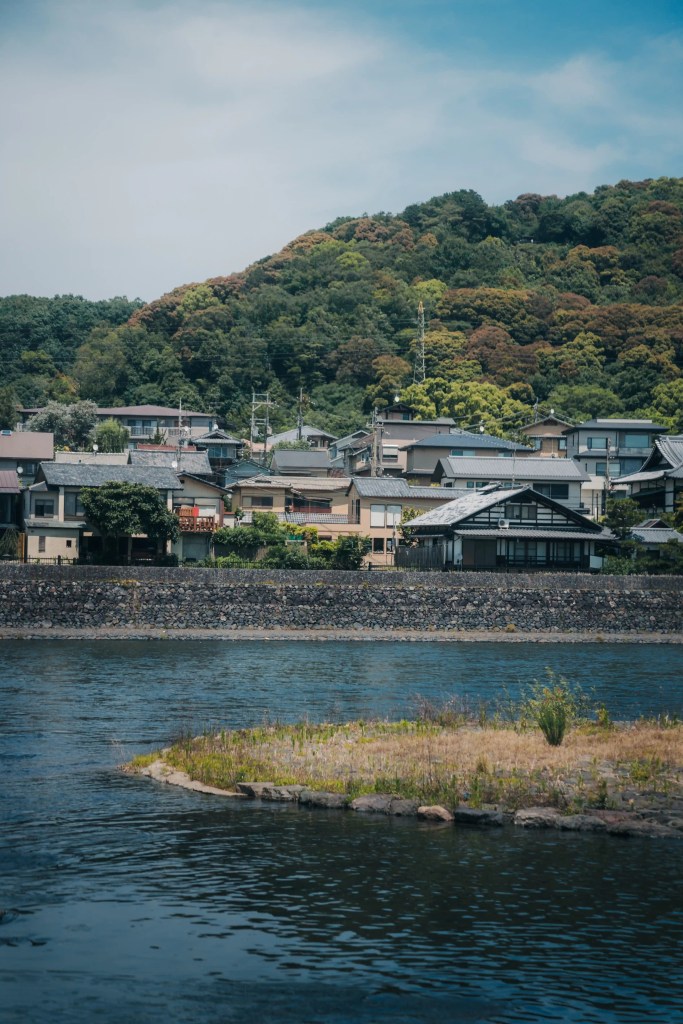
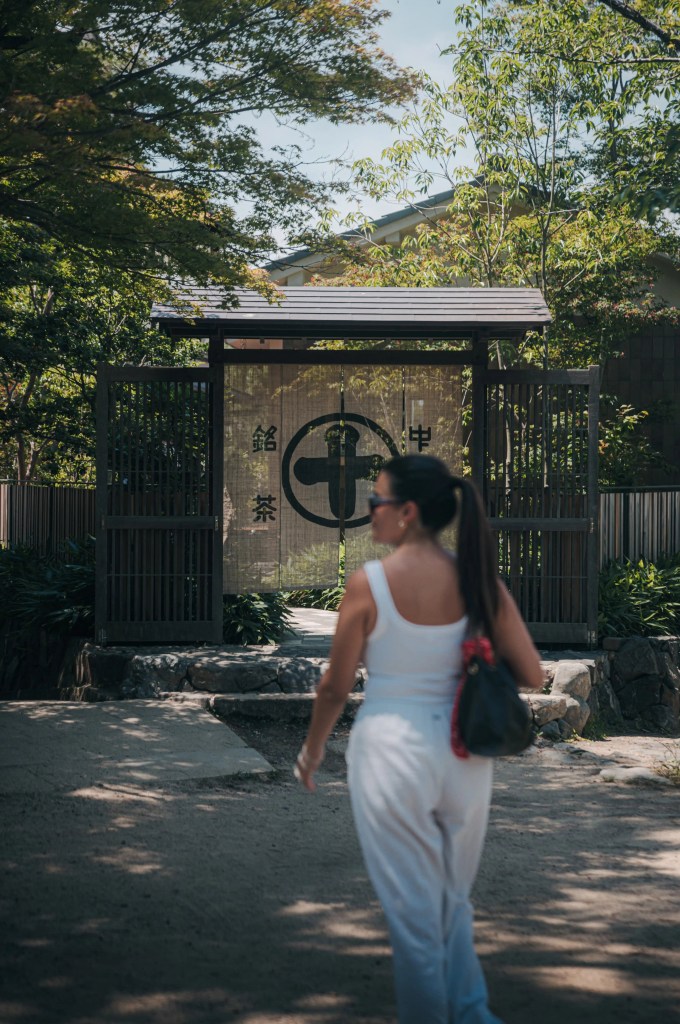
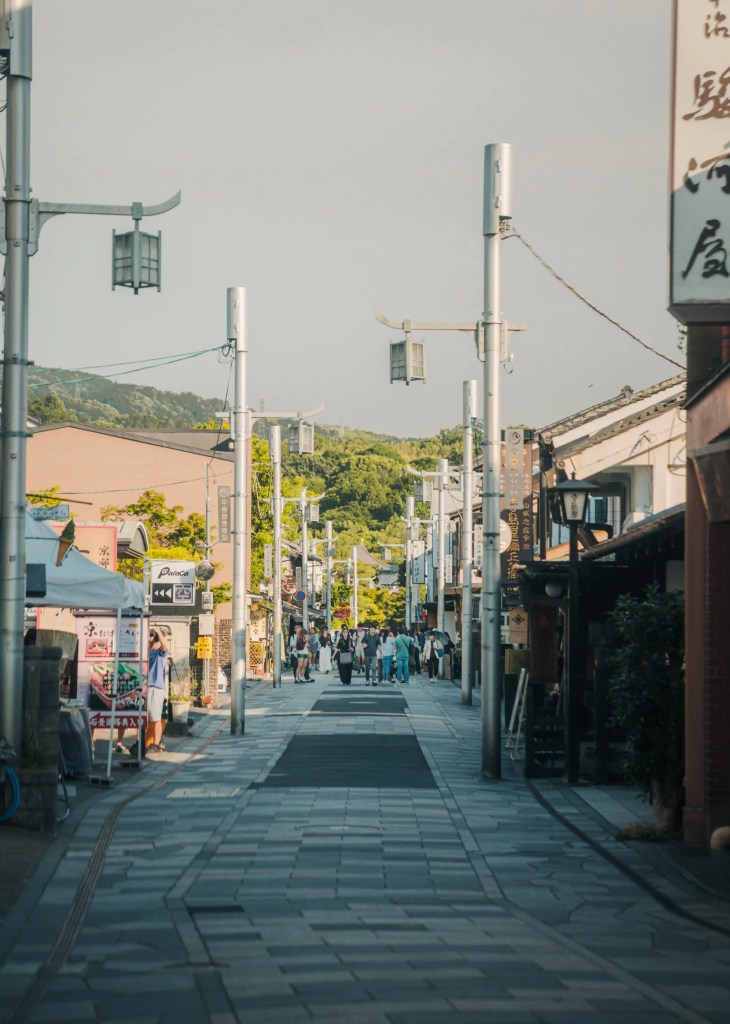
Set aside some time to wander down the main streets; Byodoin Omotesando, Uji Dori / Uji Shotengai, and the iconic Uji-bashi Bridge. Follow the path up to the massive stone Torii gate that marks Uji’s most sacred area, and pop into the local artisan boutique shops, they stock literally anything you could ever imagine made out of matcha.
Time for Matcha-Infused Savoury Dishes | Lunch
You’ll find a massive variety of green lunch options, from matcha dumplings to matcha noodles and ramen. Being a vegetarian, it’s usually a bit trickier for me, but I found incredible Cold Matcha Soba (buckwheat noodles infused with green tea that you dip into a savory broth with spring onions, seriously delicious) at a spot called Nagano. The place looked beautiful and the staff were incredibly lovely. Highly recommend it.
If you’re already a bit over the green tea flavor, Uji is home to the third branch of Manya Inoichi, a famous Michelin awarded ramen restaurant from Kyoto. They don’t have vegetarian options, but if you eat meat, it’s definitely a spot worth keeping on your radar.
Byodo-in Temple
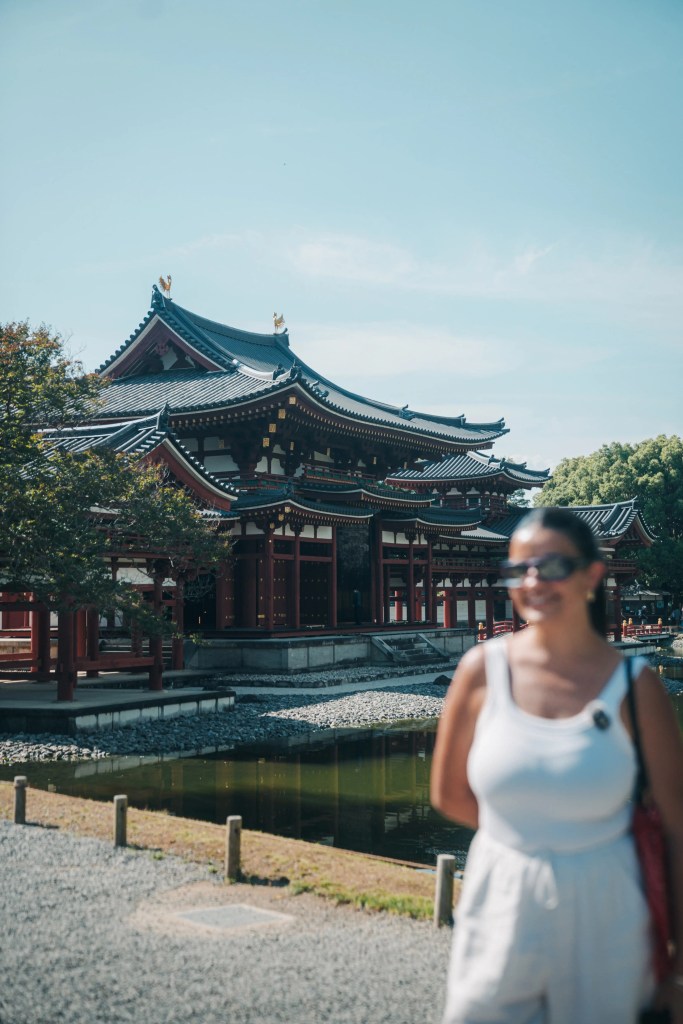
Around 4 pm is the absolute best time to head to Byōdō-in Temple (the famous landmark featured on the 10 yen coin). By this time, the tour buses are already heading off and the grounds become much quieter, leaving you with perfect opportunities to photograph the Phoenix Hall glowing in the late afternoon sun.
If you’re visiting in the middle of summer and the heat is brutal, do the exact opposite; head there at midday to take refuge inside the underground Hoshokan Museum. It features a minimalist architectural design and glorious air conditioning.
Entry to the Byodo-in Gardens and the Hoshokan Museum costs 700 JPY (3.80 EUR). If you want to enter the Phoenix Hall itself, it’s an extra 300 JPY. Inside entry is strictly timed and limited to 50 people per slot. I skipped it in the summer heat, but it’s undeniably beautiful.

Heading Back to Kyoto
You’ll notice that almost everything in town shuts down right around 5 pm. By the time you walk out of the temple, you’ll find Uji beautifully quiet and empty. This marks the end of your day trip route, but stick around because below I’ve answered the exact questions I had before going.
Looking to Buy Ceremonial Matcha in Uji?
If your goal is to buy authentic, “Ceremonial Grade” matcha powder (the premium stuff meant to be whisked solely with hot water) to take home, you need to get there early. Between domestic Japanese tourists and international specialty baristas traveling from all over the world, the limited edition tins from historic shops vanish incredibly fast.
I didn’t buy any myself, but I did plenty of research. Here are the most reputable historic tea houses in Uji: Marukyu Koyamaen Main Plant (86 Terauchi, Ogura-cho), Yamamasa Koyamaen (Kubo 96, Ogura-cho), Horii Shichimeien (Myoraku-84), Kanbayashi Shunsho (Myoraku-38).
🧚🏽 Make sure to check the specific opening hours for each one. ALL of them have strict daily stock limits and caps on how many grams a single person can buy. Also, keep in mind that some of these historic shops only accept cash.
I was shocked with the part-time job involved in the matter, so…
Why Is There So Much Hype Around Uji Matcha?
To talk about Uji is to talk about the birth place of matcha culture in Japan. Back in the 12th century, Zen Buddhist monks brought the very first tea seeds over from China and discovered that Uji’s microclimate, morning mists, and soil were ideal for cultivation. From that moment on, Uji became the official purveyor of tea to the Imperial Family and the most celebrated tea masters in history. No other region holds this level of cultural heritage.
Furthermore, authentic premium Uji matcha is still ground using traditional granite stone mills that rotate incredibly slowly to prevent overheating the leaves. A single mill takes a full hour to produce just 30 to 40 grams of powder. When you pay premium prices or wait in line, you are paying for pure, time-intensive craftsmanship.
Want to See the Rolling Green Tea Plantations?
If you have that idyllic postcard image in your head of endless, rolling green terraced tea fields stretching into the horizon, Uji town center is not the place. The town it’s where the tea is processed, blended, and sold, but it doesn’t have those massive scenic fields on display near the stations.
To actually see the deep-green plantations and harvest fields, you need to travel to Wazuka, a rural town located a bit further out that requires trickier logistics involving a train followed by a local bus. You also need to book farm visits well in advance. Alternatively, you can book a structured day tour departing directly from Kyoto, like this one.
Uji Day Trip: Frequently Asked Questions (FAQ)
Can you combine Uji with Fushimi Inari-taisha in one day?

Yes, absolutely, especially if your day doesn’t revolve around queuing for limited-edition matcha first thing in the morning. You can tackle Fushimi Inari at the crack of dawn or head there late in the afternoon on your way back from Uji, as both sit right on the JR Nara Line.
If you have the time, try not to cram them together if you’re already exhausted. Fushimi Inari requires serious legwork, and you’ll get a far better experience if you have the energy to hike beyond the main crowds.
🧚🏽 Also, right near Fushimi Inari, there’s a lovely spot called Café Vermillion that has a gorgeous outdoor courtyard. You can thank me later!
Is one day enough, or should I stay overnight?
A single day (or even a solid half-day) is more than enough. The town completely quietens down after 5 pm, and there aren’t maaaaany accommodation options around the area anyway.
What unique matcha foods can you try in Uji?
If it’s edible, Uji has created a green version of it. You can try matcha beer, green tea dumplings, matcha soba noodles, soft serve ice cream, traditional sweets, matcha cheesecake, puddings, croissants, and fresh mochi.
How Much Does a Day Trip to Uji Cost?
Traveling independently, we spent approximately 45 EUR per person for the entire day. This covered our return train transport from Kyoto using our IC cards, general entry to Byōdō-in (gardens + museum), a delicious lunch of cold matcha soba, desserts, and a local matcha beer. Oh, plus the lattes. It’s a very realistic budget as long as you don’t go overboard buying premium souvenirs or tea tins. Factor in an extra 20 EUR if you manage to secure a spot for the hands on tea grinding experience.
Can you combine Uji and Nara in the same day?
Unless you plan on sleeping in Nara… honestly, don’t do it. Nara easily deserves a full day on its own—even two if you like to travel slowly. It’s a massive destination that doesn’t really compare to Uji because the vibe is completely different. You visit Nara for the free roaming deer, colossal wooden temples, and the Great Buddha, where as Uji is a niche, peaceful pilgrimage for tea lovers. Trying to squeeze both into nine hours turns a holiday into an exhausting marathon.
To help you sort out your route, you can read my complete guide on how to spend a day in Nara, as well as my curated recommendations on where to stay in Nara if you decide to spend a night in the ancient capital.
The Verdict: Is Uji Worth Visiting?
Uji is the ultimate escape if you’re looking to take a breather from the hectic pace of Kyoto, walk along a peaceful river without any rush, and love tasting completely unique culinary flavors. The logistics using a standard IC Card are incredibly straightforward, and it gives you a glimpse of stunning, traditional Japan all within a short train ride.
Pack your camera, secure your tea grinding experience early so you don’t miss out like we did, and get ready for a beautiful day filled of temple and premium matcha.
💡 Keep Planning Your Japan Adventure
If you’re heading to Uji for the day, chances are your main base is in the Kansai region. Don’t miss these essential guides to plan your next stops:
→ 15 Crucial Things to Know Before Travelling to Japan
→ Where to Stay in Osaka: The Best Neighborhoods for Every Travel Style
→ How to Visit Katsuo-ji Temple in Osaka (The Famous Daruma Temple)
>→ How to Get Around Taiwan | A Practical Transport Guide
Disfrutá mucho de tu viaje, nos vemos prontito por el mundo.
Guadi.