Osaka is a city you feel, you walk, and above all, you eat. A lot of people rush through it without giving it a second thought, but truth be told, it’s one of the most intriguing and rebellious cities in Japan. To truly enjoy it, though, picking the right neighbourhood to base yourself is absolutely crucial.
After exploring the city inside out and testing out different areas, I’ve put together this definitive guide to help you understand the layout of the city so you can choose the spot that best fits your travel style and goals. Let’s get stuck into it! Shall we?
⏱️ ¿Estás apurado? Estos son mis hoteles favoritos:
Where to Stay in Osaka | The Quick Summary
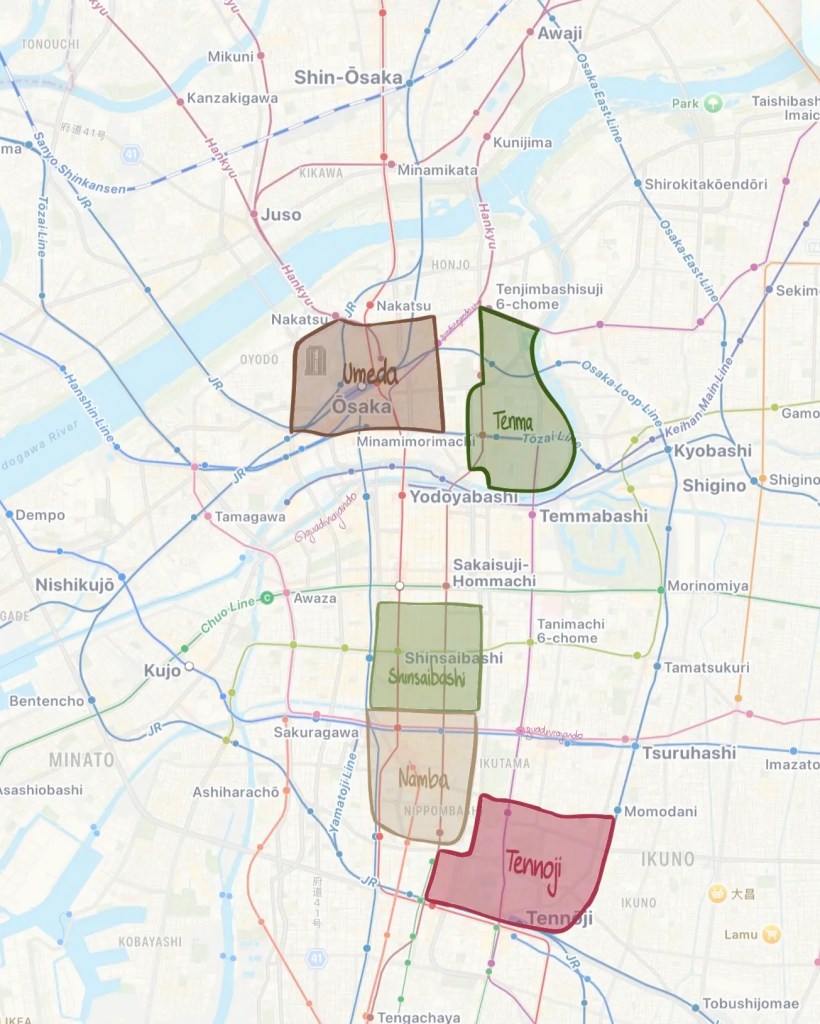
What exactly are you after? Find your perfect neighbourhood match below:
I’ve written a comprehensive guide on what to do in Osaka in 3 days, covering all the main sights along with a few hidden gems. If you’re genuinely planning a trip to Osaka, I highly recommend checking it out.
What to Prioritise When Looking for a Hotel in Osaka
Before you even look at price tags, there are two technical factors in this city that will completely change your trip:
Proximity to the two key metro lines (The Red and Brown Lines)
The Osaka metro system is massive and incredibly efficient, but these two specific lines are the ones that connect almost the entire city from North to South:
- Midosuji Line (The Red Line): This is the absolute spine of the city. It connects Umeda, Shinsaibashi, and Namba stations directly. If your hotel is on this line, you can zip to the most iconic spots in minutes.
- Sakaisuji Line (The Brown Line): This one runs through slightly “lesser-visited” but absolutely spectacular corners. It gives you a direct link to Tenma, the Nipponbashi shopping district, and the retro area of Tennoji / Shinsekai.
If you can score accommodation within a 5-minute walk of any station along these lines, you’re winning. That said, any metro line will get you across the city in minutes—just make sure your hotel doesn’t leave you relying on local buses to get around.
Reception hours and check-in policies
I once booked a hostel near Namba that charged around 500 JPY for every half hour you arrived after 11:00 pm, and they didn’t offer self-check-in. Others close their front desk entirely at 7:00 pm. If you have a late flight or plan on arriving late at night, get in touch with the hotel as soon as possible and double-check their rules.
Namba and Dotonbori: The Heart of Osaka
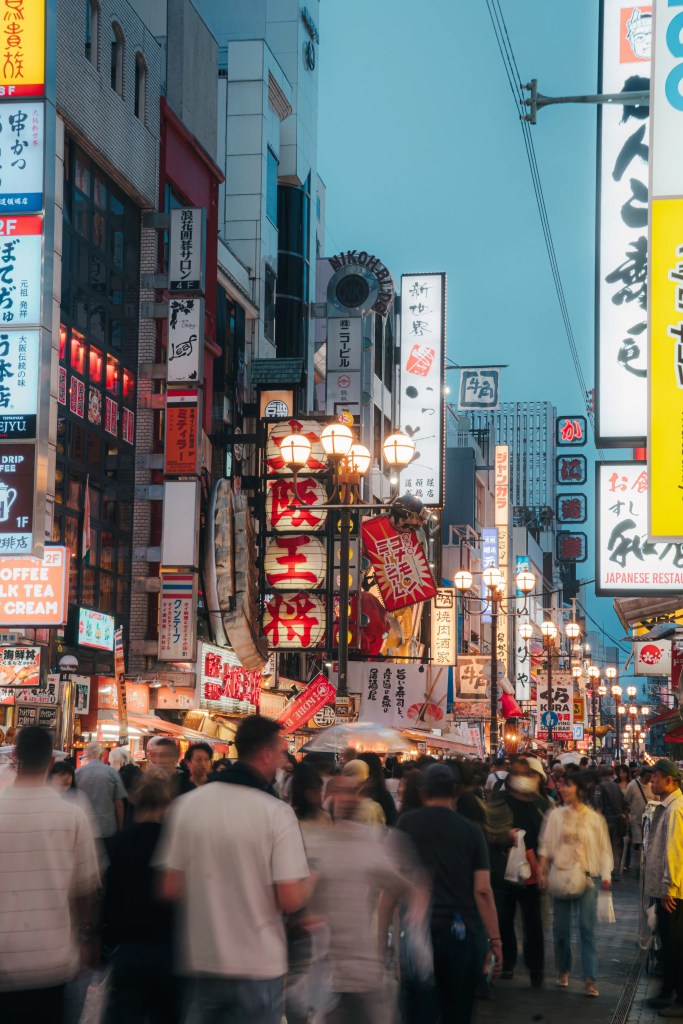
This is the ultimate hub of what’s known as Minami (the South of the city). The biggest perk of staying here is being right in the middle of the action with instant access to everything: the neon signs, endless shops, bars, and street food markets. It’s chaotic and constantly packed with people, but it’s incredibly entertaining.
If you’re after absolute peace and quiet, avoid hotels that sit literally right on the Dotonbori canal. By moving just 4 or 5 blocks south, near the JR or Nankai Namba stations, the noise drops significantly, yet you’re still right in the epicentre of it all.
🧚🏽 Namba Station is the exact hub you’ll use to connect to the airport or head off on a day trip to Nara.
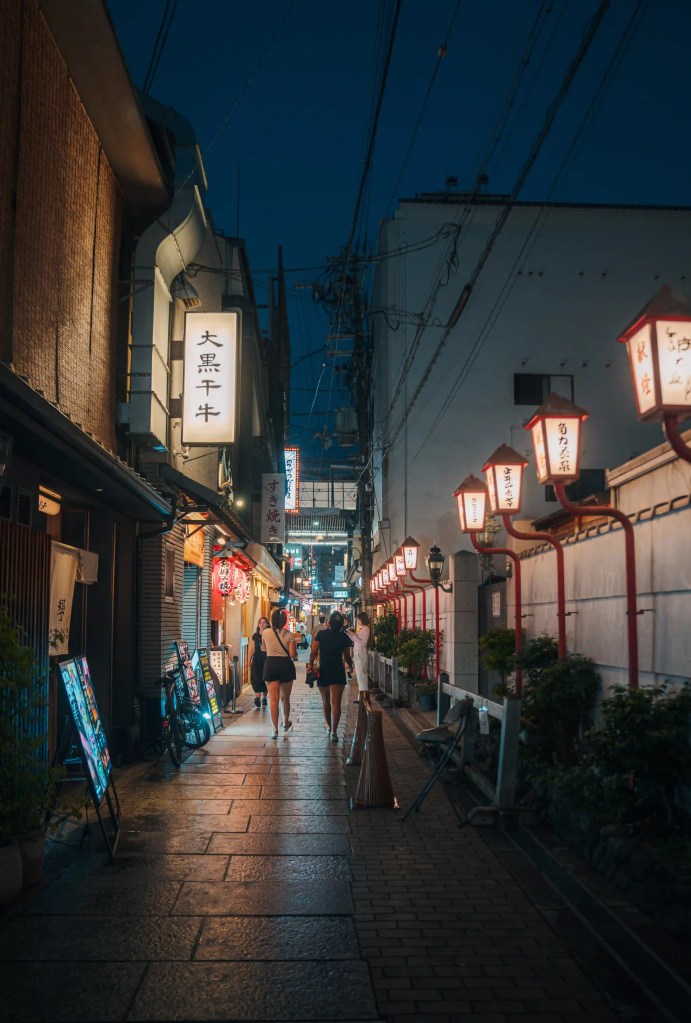
Attractions near by: The iconic Glico Man sign, the Dotonbori river walk, Kuromon Ichiba Market, the atmospheric Hozenji Yokocho alley, and the quirky shops of Amerikamura.
Top Hotel Picks in Namba: The CINQS Hotel is an absolute winner—super close to the station and includes breakfast. Hotel J-SHIP Osaka Namba is ideal for solo travellers or anyone looking to save cash with premium capsule pods. MEANDER sits comfortably in the middle, offering great value for money with private rooms.
☕️ Up for a coffee? Cora Coffee and Aun Coffee Roasters are brilliant options in this area.
ps. If this guide is helping you out and you want to support the blog, you can now buy me a coffee right here.
Shinsaibashi: The elegant centre
Just north of Dotonbori, right across the canal, the city shifts gears. Shinsaibashi is famous for its incredibly long, covered shopping arcade, but as you walk further north, the crowds start to thin out. It’s a super clean, orderly, and incredibly safe area with wide, tree-lined streets.
It’s the perfect choice if you want to be close to the action without sacrificing your peace of mind. Personally, this is the area I’d pick if I were travelling as a family!
🚍 Shinsaibashi and Honmachi stations give you direct access to the Midosuji Line, meaning you can head north or south in a matter of minutes.
Attractions in the area: La galería Shinsaibashi-suji, tiendas de diseño independientes y cafés de especialidad.
Top Hotel Picks in Shinsaibashi: I stayed for a few days at the Henn na Hotel chain, which is genuinely so unique! It actually holds a Guinness World Record for its themed collaboration rooms, and the receptionists are literal robotic dinosaurs. I absolutely loved it—it’s affordable, perfectly located, and they even serve free sake during happy hour in the evening.
The Book and Bed is incredibly viral and aesthetic, but it gets pretty mixed reviews. If you’re looking to splurge, Candeo Hotels features a rooftop pool and sauna that is honestly next level.
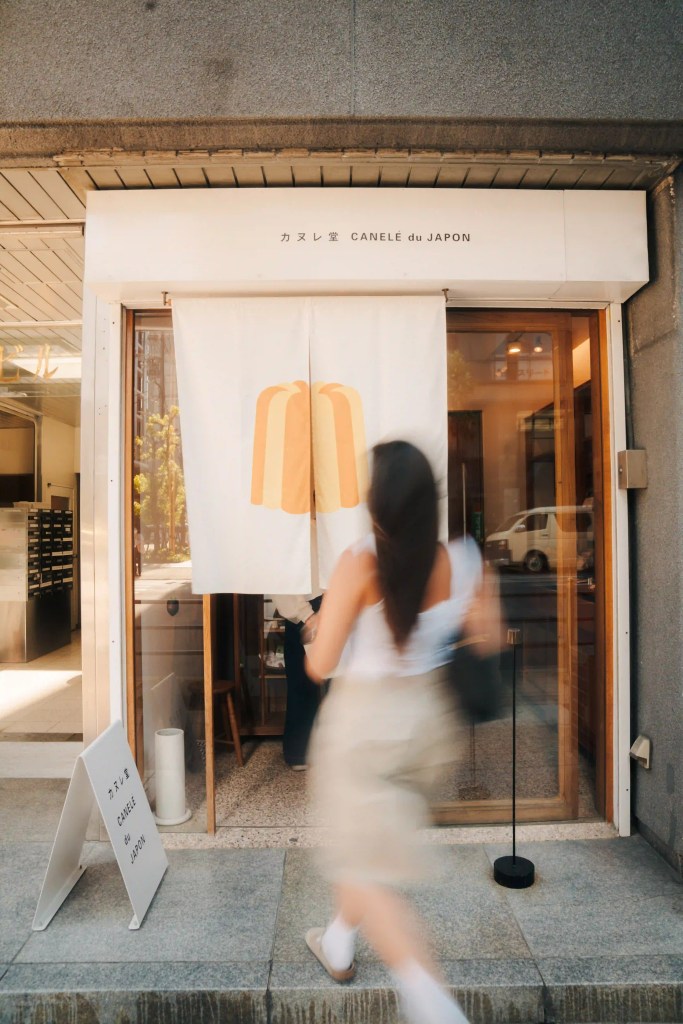
Favourite cafes: wad (for incredible tea experiences) and Saturdays NYC (perfect if you need to get a bit of work done).
Umeda: The Ultra-Connected North
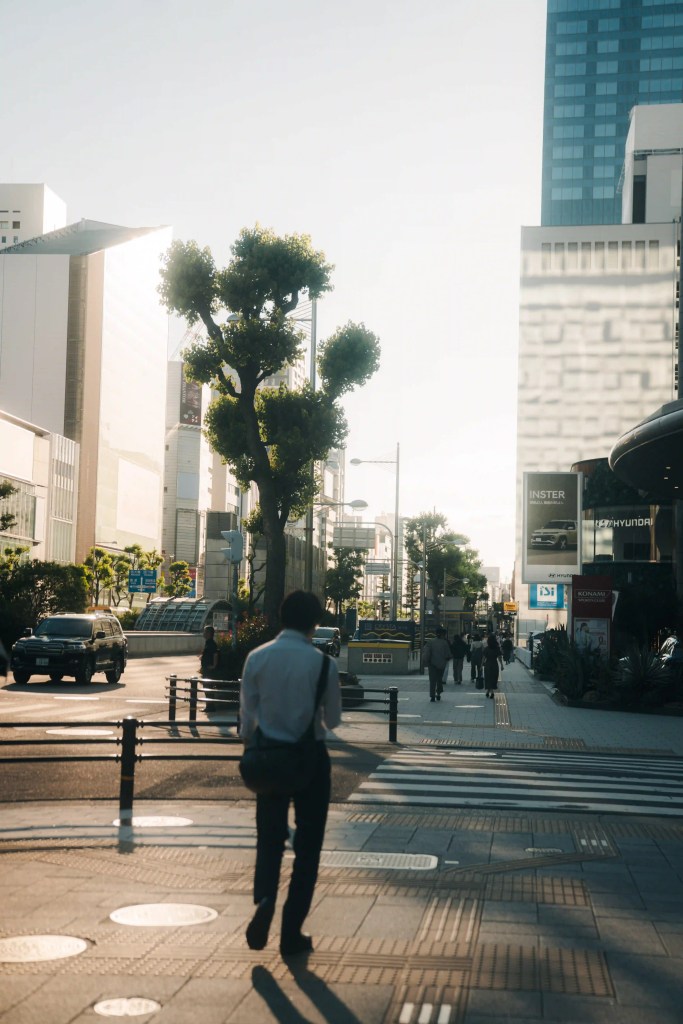
Known as Kita (the North), this is the domain of towering skyscrapers, subterranean shopping malls that feel like mazes, and cutting-edge architecture. It has a sleeker, more corporate feel compared to Namba.
Logistically speaking, it’s completely unbeatable, especially for short stays and seamless train connections to other cities. However, for my personal taste, it lacks a bit of that raw, vibrant character that constantly reminds you you’re in Japan.
Main Highlights: The Umeda Sky Building floating observatory, the Gate Tower Building (where the highway passes right through the structure), and the incredible food stalls hidden away in the building basements.
Top Hotel Picks in Umeda: For budget travellers, Quintessa Hotel is a no brainer. If you’re looking for luxury, Hotel Hankyu International looks spectacular and is easily one of the highest-rated properties in the area.
☕️ café fav: Coffee Roastery Neel y Glitch Coffee
Tennoji and Shinsekai: Retro, Authentic Osaka
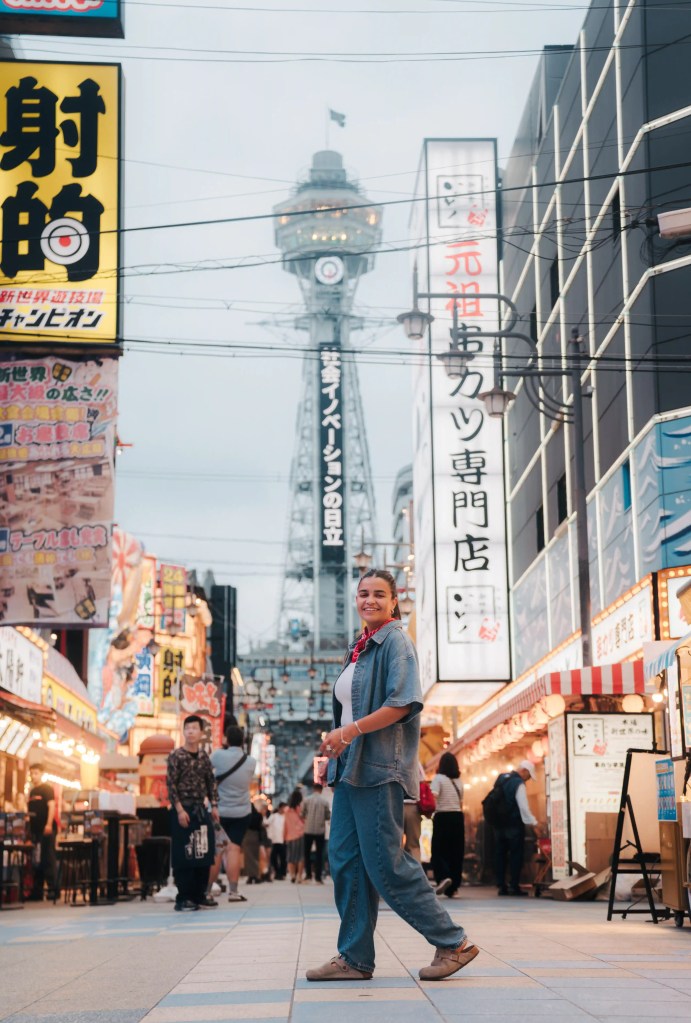
Shinsekai was originally designed in the early 20th century with inspiration drawn from Paris and New York, but it became completely frozen in time. Today, it boasts a brilliant 1960s and 70s retro aesthetic that contrasts sharply with the rest of the city.
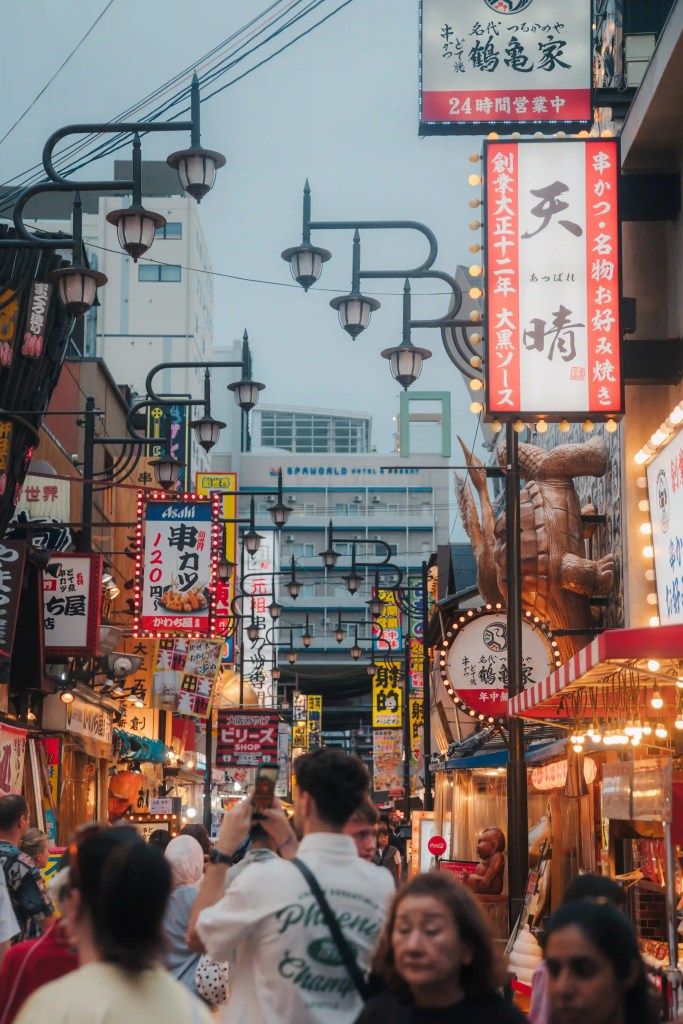
It’s an absolute goldmine for photography! It feels a bit quirky because parts of it seem purpose-built for tourism, but in reality, it feels like one of the most authentic, raw corners of the city.
Accommodation prices here tend to be significantly lower, featuring plenty of budget hostels, and it sits right near the famous anime district. The only real downside is that it’s located a bit further from the other main sights, meaning you’ll spend a fraction more time on transit.
What to see in the area: The Tsutenkaku Tower, Shitenno-ji Temple (one of Japan’s oldest), Tennoji Park, and the narrow alleyways packed with local kushikatsu (skewered street food) stalls.
Top Hotel Picks in Tennoji: Doyanen Hotels offers great, budget-friendly Japanese-style rooms. Koko Hotel is also a very reliable and economical chain option here.
Tenma: The Local Osaka Experience
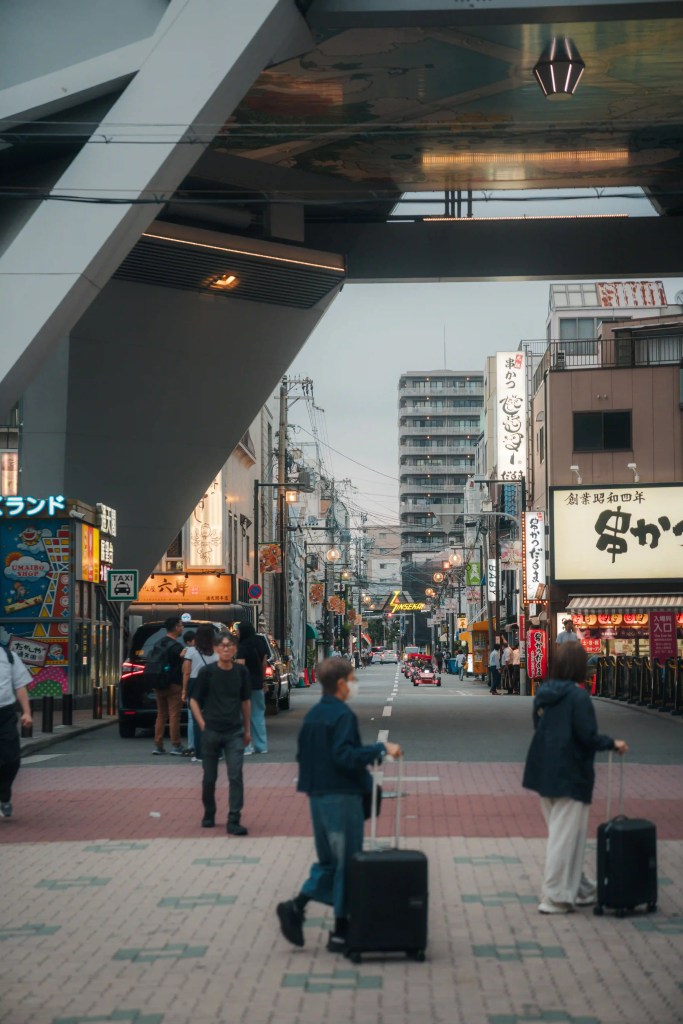
If your goal when travelling is to step off the main tourist trails and see how locals genuinely live their daily lives, Tenma might just be your spot. It’s incredibly well connected, just a couple of stations east of Umeda and the Sakaisuji metro line cuts right through the center.
We headed over here for some sake tasting one evening, and I ended up coming back the next day because I fell in love with the vibe. Especially if you plan on staying in Osaka for a fair few days, basing yourself here makes heaps of sense.
Attractions around: Tenjinbashisuji Shopping Street, which happens to be the longest covered shopping arcade in the whole of Japan. It stretches for over 2 kilometres!
Fav hotel in Tenma: The Imperial Hotel is a brilliant, top-tier option right on the riverfront. Hotel Daiki is a much more budget friendly choice that is perfectly located.
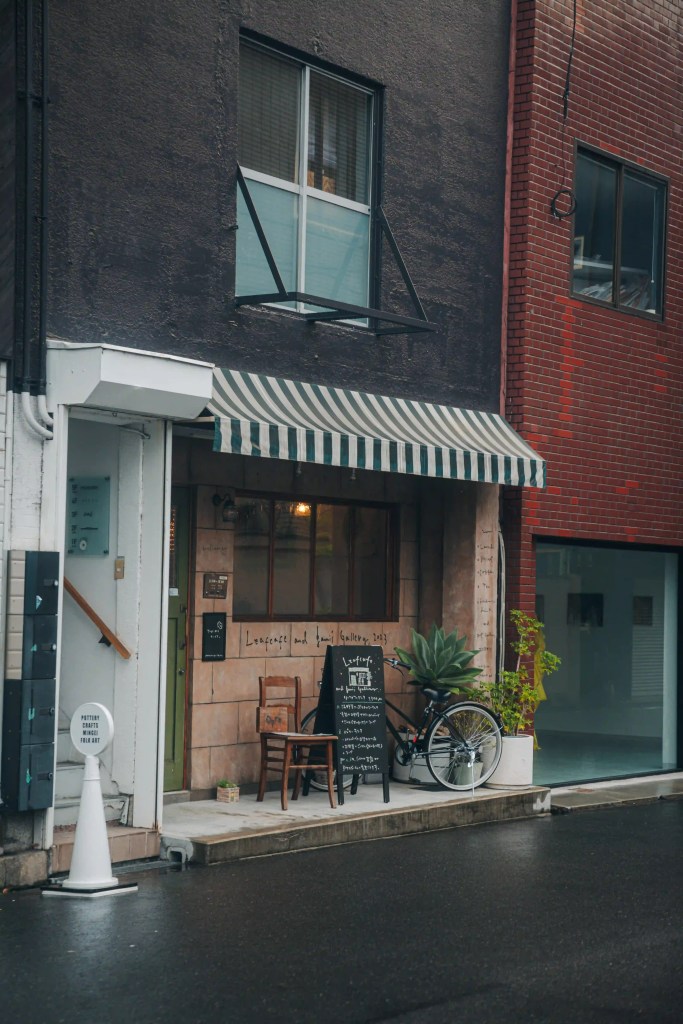
☕️ A unique coffee spot: I tried a black sesame latte here. There’s a fantastic shop that sells everything made out of sesame, with a cafe right next door that cooks entirely with their products. It’s called IRUAERU.

Special Mention: Is it worth staying in the Bay Area (Universal Studios)?
Unless your trip to Osaka consists solely of spending three full days inside Universal Studios Japan from sunrise to sunset, do not stay in the Bay Area. It’s quite isolated from the heart and soul of Osaka, meaning absolutely everything else will require a long trek.
FQA – Staying in Osaka
Should I book a hotel with breakfast included in Osaka?
Honestly, I wouldn’t bother in Osaka. There are a million incredible local cafes to try, brilliant bakeries, and you always have an iconic convenience store (7-Eleven, Lawson, or FamilyMart) nearby to grab a quick, delicious bite.
How many nights should I spend in Osaka?
I’d recommend 3 to 4 nights, depending on whether you want to dedicate a full day to Nara or head over to Universal Studios. Most people completely overlook just how much there is to do here (which you can check out in my 3 Day Osaka Itinerary).
Nara was so spectacular that if you have the chance, I’d highly recommend staying overnight there. I’ve written all about the best areas and hotels in that guide.
My Personal Experience in Osaka: Combination of Hostel and Hotel

Just to show you that travel bloggers don’t always get it seamlessly right the first time, I actually split our stay across two different properties in Osaka. First, we booked a hostel in Namba called Chillax. While the facilities themselves were decent, it wasn’t the cleanest place, the vibe felt a bit off (7 out of10), but the price was reasonable.
After that, we moved over to the Shinsaibashi area to stay at the Henn na Hotel, and we absolutely loved it! The room was definitely compact, but the price was fantastic. It was spotless and came packed with heaps of extra amenities like complimentary tea, coffee, biscuits, sake, and onigiri. The location was perfect, and the service (dinosaur robots aside) was incredibly welcoming.
My partner and I travelled through Japan for 45 days. We started out in Osaka, before heading through Nara, Kyoto, and Uji. We hiked the entire Kumano Kodo trek, which meant we were practically mapping out our own rural routes at times. From there, we crossed six islands by bicycle, soaked in countless hot springs in Beppu, and caught some sun in Ishigaki. We then flew over to Tokyo, walked through the historic Kiso Valley, and said our goodbyes at the (rather cloudy) base of Mount Fuji. Definitely delve into the Japan section of the blog—there’s so much practical info I wish I’d known before we set off.
sooo….
Osaka isn’t a city where you just tick off a rigid list of mandatory monuments; it’s a city for getting completely lost down narrow alleyways, eating until you absolute burst, and marveling at the giant neon signs and local energy.
Choose Namba if you want the brilliant chaos of neon lights and ultimate transit links, Shinsaibashi if you’re after sleek design and a bit of tranquility, or Tenma if you want to completely blend in with the locals. Just make sure you have a solid metro line nearby and go enjoy Japan’s most rebellious city!
Espero que este artículo te haya servido mucho. Ojalá cruzarnos por algún rincón.
Guadi.