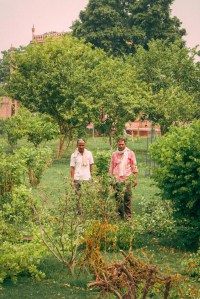
After a few busy weeks moving around Northern Thailand, I really needed a proper breather and a solid stretch of focused work. If you’re a digital nomad or looking for a spot to blend work and relaxation, I’m sharing everything I discovered during my time here; from the best cafés and co-working spaces to dream staycation hotels and practical travel tips every nomad will appreciate.
Practical Tips for Digital Nomads in Chiang Mai
Getting Around Chiang Mai
Chiang Mai is laid out around its Old City (the historic walled centre). That’s where you’ll find the biggest concentration of cafés, restaurants, and places to stay. But outside the old walls, there are fantastic, less crowded, and more modern spots perfectly suited to balancing work and travel.
Here’s how you can get around:
- Tuk-tuk: The classic Thai ride. Fast and fun, but always negotiate the fare before hopping in as drivers often markup prices for tourists.
- Grab: Just like local Uber. It’s reliable, cheap, and saves you from haggling. I use it all the time!
- Songthaew: These are shared red trucks. You tell the driver where you’re headed and, if it matches their route, you pay 20 THB when you get off. If it’s a longer trip, they’ll let you know the price before you jump in.
- Scooter: If you’re planning to stay in Chiang Mai for a while, renting a scooter is the most comfortable and budget-friendly option to get anywhere. They cost around 250 THB per 24 hours.
Staying Connected with High-Speed Internet
Definitely grab a local eSIM. You can buy them everywhere, even at local convenience stores like 7Eleven. There are a few main providers, but these are the best and most tourist-friendly:
- AIS: El operador más grande del país, conocido por su amplia cobertura, especialmente en áreas rurales y remotas. Es un pelín más cara.
- TrueMove H: También muy conocida, ofrece planes flexibles y funciona mejor en áreas urbanas.
- Dtac: Very popular with tourists and digital nomads for affordable tourist packages and solid urban coverage.
Nosotros usamos la eSIM de DTAC, que compramos directamente en el aeropuerto. La ventaja: los precios y ofertas son iguales que en la tienda online, así que no hace falta comprarla antes ni esperar a llegar al centro.
We picked the basic 60 day option. Although I don’t recall the exact data allowance, we used it for nearly two months without limits—sharing files and running hot-spots daily. The signal was spot-on almost everywhere across Thailand, costing us around 18 EUR.
>Pro Tip: If you plan on tethering your phone to work from your laptop (hotspotting), double-check that your mobile plan permits data sharing.
Money and Payments in Chiang Mai
Card payments in Chiang Mai are still fairly limited. Cash is king across Thailand, especially at smaller cafés, markets, and street food stalls. Here’s how to handle your money:
- ATM Cash Withdrawals: ATMs are everywhere; always check the conversion rates and fees before confirming. Multi-currency travel cards (like Revolut or Wise) are brilliant for these transactions.
- Currency Exchange: Euros, US Dollars, Australian Dollars, and British Pounds get the best rates at Thai exchange booths. If you hold a different currency, exchange it before flying over. Airport booths accept currencies like Canadian Dollars or Scandinavian Krona, but the exchange rates are noticeably worse.
Other Useful Nomad Tips
- Power Adapters: Thailand uses Type A, B, and C sockets (Type C is identical to European two-pin plugs).
- Café Hours: Many cafés shut early, so check opening hours if you like working into the evening.
- Plan Your Days Strategically: If you’re balancing client work with sightseeing, keep in mind that many major attractions and temples close by 5pm.
Where to Stay in Chiang Mai
Chiang Mai has distinct neighbourhoods catering to different travel and work styles. Picking the right location makes your stay much smoother and can save you heaps on transport.
Old City
Ideal if you’re staying in Chiang Mai for a short stint (a few days) and want to be steps away from temples, night markets, and local cafés. It can be more touristy, slightly pricier, and noisy on main streets.
Hobnob Hostel: Located right in Old Town, designed for both leisure travellers and remote workers with a cosy on-site café to work from comfortably.
Nimmanhaemin
The ultimate hub for digital nomads and travellers wanting modern co-working hubs, trendy cafés, and a relaxed nightlife scene. Prices are a bit higher, but everything you need for work and lifestyle is on your doorstep.
Places like Hub53 Coliving Space or Socialer Coliving feature dedicated on-site co-working setups so you don’t waste time commuting.
Santitham
Just north of the Old Town, this area is perfect if you want a balance of authentic local vibe and productivity. You’ll find budget long-term rentals alongside affordable, social hostels. I’d recommend renting a scooter if you set up base here.
Hai Ya (South of Old City)
Fewer travellers talk about Hai Ya, but I found it utterly charming. It’s traditional and residential without losing touch with the action. Plus, more and more cute specialty cafés and co-working spaces are popping up around here.
This is where SherVa101 is located, a super cute place with big house vibes and heaps of dedicated workspace options.
Riverside
There always has to be a balance between work and relaxation, right? In Riverside, I found just that. This area is famous for its resort-and-spa hotels, river views, and peaceful atmosphere; ideal for anyone wanting a proper rest without venturing too far from their room.
I stayed at Na Nirand Romantic Boutique Resort and absolutely loved it. It was one of those stays that naturally makes you slow down: spacious rooms with thoughtful details, a spa with a reading area, river-view spots, a swimming pool surrounded by greenery, and even a huge tree that looks like it belongs in a fairytale.
What surprised me most was that everything is set within historic buildings, so everywhere you look, you’re reminded that you’re slowing down in a place with so much history in Northern Thailand.
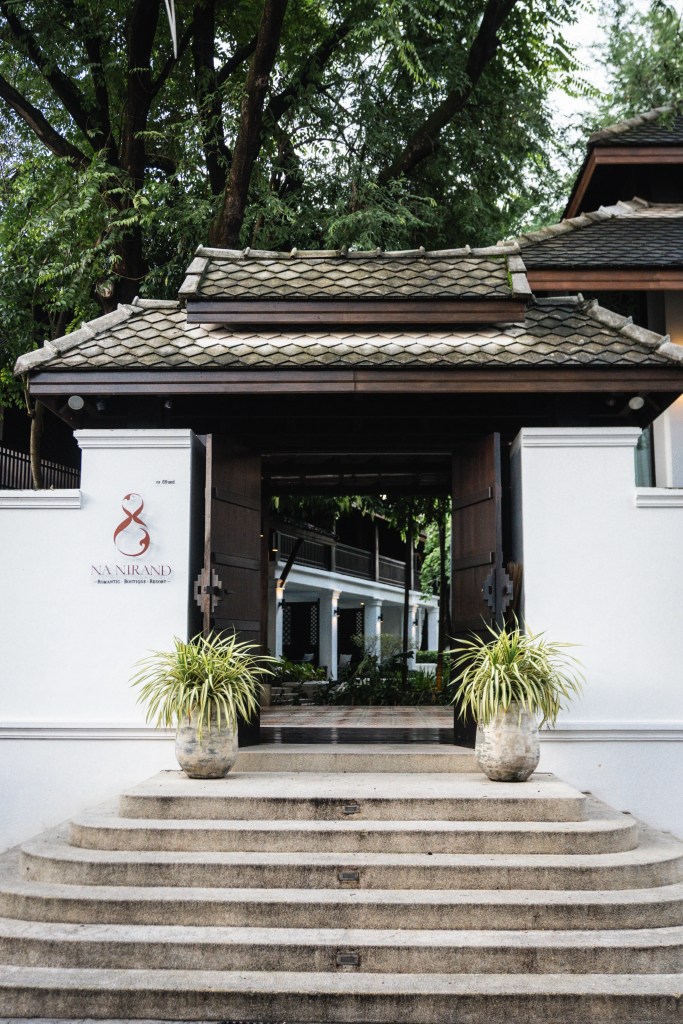

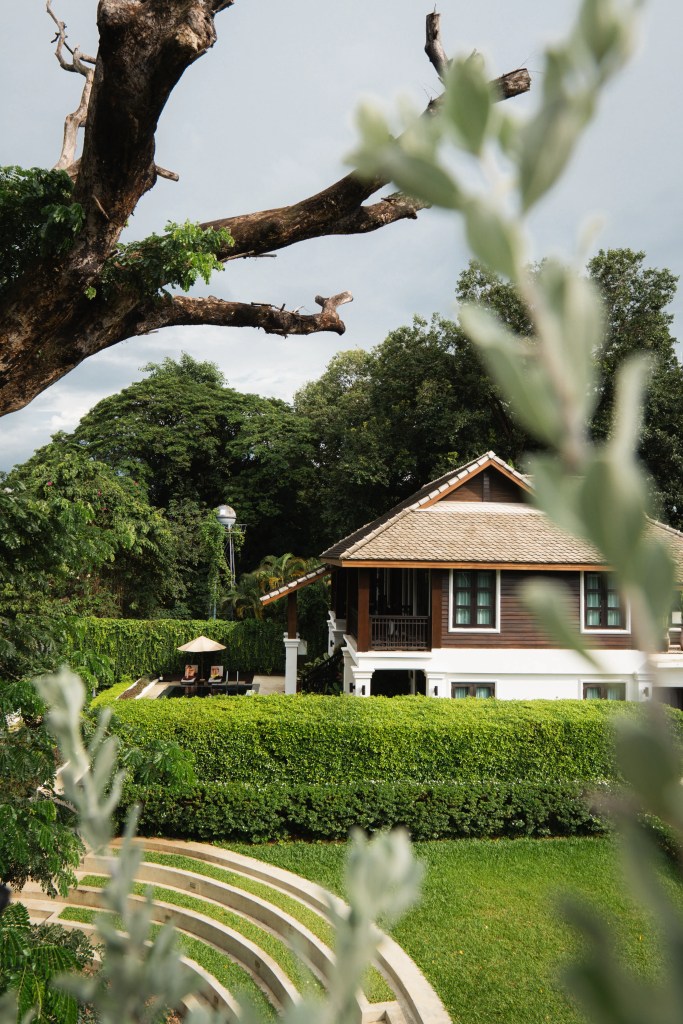
It’s not the most budget-friendly place to stay in Chiang Mai, but honestly, I think it’s worth considering for a special occasion: a honeymoon, an anniversary, or simply that little treat you want to give yourself after months of travelling. They also have an in-house restaurant with tables right by the river, which is perfect for a slow breakfast or a romantic dinner.
Best Coffee Shops to Work From in Chiang Mai
Chiang Mai is famous among digital nomads partly because of the sheer number of cafés that seem made for people like us: good coffee, fast internet and comfortable spaces where you can work for hours. Here are 10 cafés in Chiang Mai worth checking out:
- CAMP Creative and Meeting Place: Although there are plenty of power outlets and comfortable tables for working, the internet access lasts around 2 hours. It closes very late, which is super convenient if you’re working with a different time zone.
- Nine One Coffee (Nimmanhaemin): Good Wi-Fi, a cosy atmosphere and reasonable prices.
- The Barn Eatery and Design: Beautiful, although a little further out, and ideal for creative work sessions.
- Blue Coffee at Agriculture CMU: Surrounded by greenery and popular with students, this is the kind of place where you completely lose track of time.
- Ombra Caffe: Long tables for working and good prices. Everyone seems to rave about their specialty coffees.
- The Story 106 Co-Working Space & Café: A café with a co-working space upstairs, offering plenty of room and different setups for working. The decor is lovely and there’s lots of natural light. Wi-Fi access is limited depending on how much you spend.
- Heartwork the Sharing Space: From wooden communal tables to individual desks, there’s a setup for pretty much every kind of work session.
- Wako Bake: A gorgeous little garden paired with a Japanese bakery — perfect if you fancy a different kind of workday.
- Building A: Although it’s definitely more of a photo spot than a proper co-working space, the Wi-Fi is fast and there’s plenty of room. I’d avoid it on weekends though, as it’s very popular and can get packed.
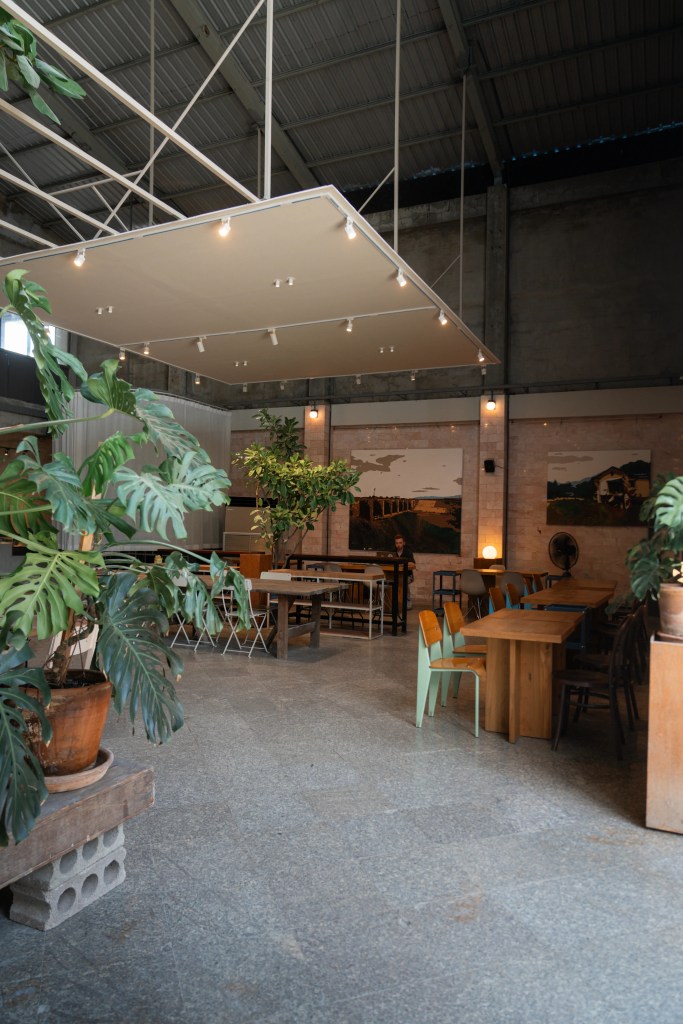
- Weave Artisan Society: A huge space with co-working areas, a café, a bar and pretty much everything you need for a full day of work. It’s relatively quiet, there are no Wi-Fi time limits, and you can usually find a spot, even on weekends.

What to Do in Chiang Mai: Temples, Night Markets and Nature
Because being a digital nomad isn’t all about sitting in front of your laptop with a coffee next to you. Chiang Mai has loads of things to do once the workday is over, as well as plenty of options for your weekends. I’ve grouped the main ones into four categories:
Best Temples to Visit in Chiang Mai
Visiting temples is pretty much the quintessential Chiang Mai experience, there are more than 300 of them! Here are a few of the highlights:
- Wat Phra Singh: Located inside the Old Town, this is one of the most visited temples in Chiang Mai.
- Wat Chedi Luang: A temple with ancient ruins that seem to tell a story through every stone.
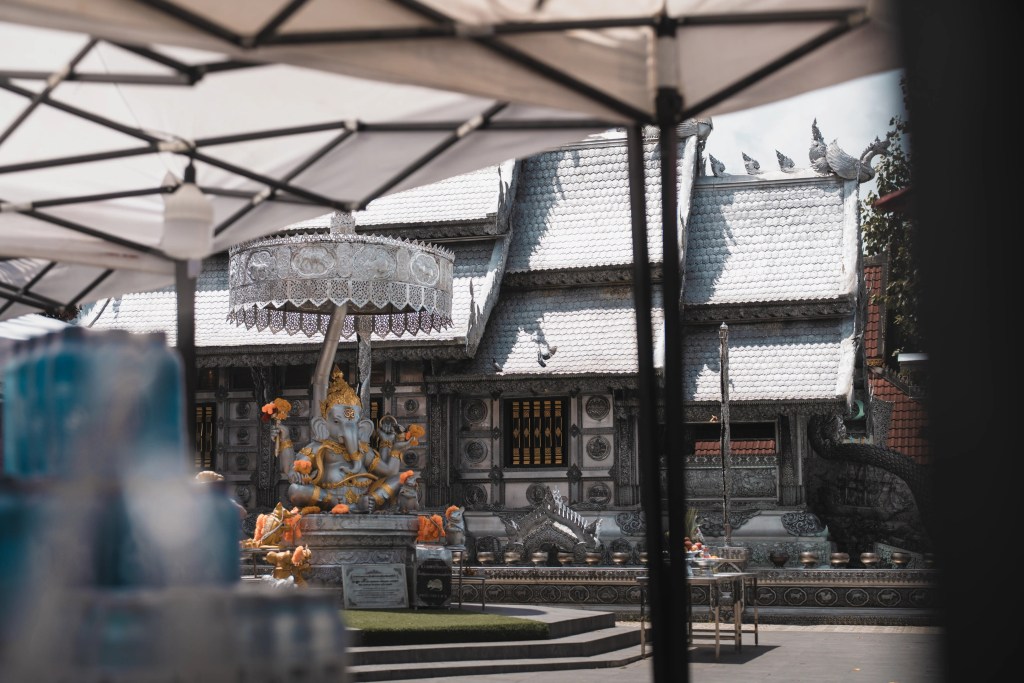
- Wat Sri Suphan: This temple is covered in silver! Just keep in mind that women aren’t allowed inside the main interior area.
- Wat Phra That Doi Suthep: The most famous temple in Chiang Mai, sitting high up on the mountain with spectacular views over the city.
Best Night Markets in Chiang Mai
A big part of local life happens at Chiang Mai’s night markets. They’re perfect for eating cheaply, picking up handmade crafts or simply wandering around and taking it all in:
- Sunday Walking Street: The biggest one, but only open on Sundays.
- Night Bazaar: Open every night, with a little bit of everything.
- Yai Market / Warorot Market: Located in Chinatown, this is where you can even get a manicure for around 2 EUR (and they actually last a week hahaha).
Best Nature Escapes Near Chiang Mai
If you want to escape the busy pace of city life and reconnect with nature, you’re actually really close to some beautiful places.
- Chet Si Fountain National Park: Home to the star of the show, the Sticky Waterfall, a waterfall that is basically not slippery, so you can actually climb up it to the top. Such a cool experience, and only around 60 km from Chiang Mai.
- Doi Suthep-Pui National Park: Just 20 km from Chiang Mai, this national park is full of waterfalls and hiking trails where you can disappear into nature for a while.
- Doi Inthanon National Park: This one requires a little more planning, but it’s very easy to visit on tours like this one. And it’s not just about jungle walks: you can also spot wildlife and visit local hill tribes.
Oh, and there’s one more place I discovered this year that doesn’t really fit into any of these categories: Baan Kang Wat. It’s a more hipster-style area filled with little markets, cafés and creative workshops. It’s quite far from the other main attractions, so I’d recommend giving it at least half a day.
Keep Traveling Thailand
Chiang Mai has so much to offer that you could easily spend weeks exploring temples, cafés and hidden corners tucked between the mountains and the river. But this is only a tiny part of Northern Thailand. The whole country is packed with paradise beaches, incredible islands, lush jungles and vibrant cities just waiting to be explored. You can read more here
If you enjoyed this guide and want to keep travelling with me, subscribe to my newsletter for travel tips, maps and recommendations that I don’t share anywhere else. You can also follow me on Instagram to see everything as it happens in real time!
💡 Some of the hotels, tours and experiences mentioned in this guide include affiliate links, which means I may receive a small commission if you book through them, at no extra cost to you. It helps me keep creating travel content — thank you!
Guadi